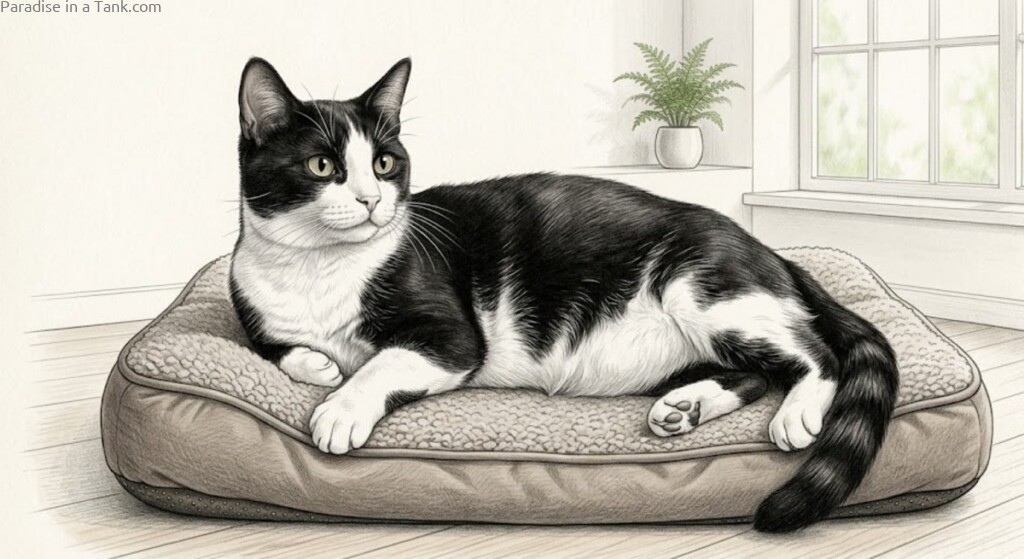
It is always an incredible, deeply rewarding feeling to know that your home is about to be blessed with a brand-new litter of kittens. As a responsible cat parent, understanding the biological shifts inside your animal is your primary duty, and you need to know exactly how to recognize whether your female cat is truly pregnant or just experiencing a temporary hormonal shift. Fortunately, nature leaves a clear trail of breadcrumbs.
You can determine if your cat is pregnant by observing distinct behavioral and physical milestones. Look for a cessation of heat cycles, a dramatic increase in appetite, enlarged pink nipples, and a swollen abdomen during the second month. A veterinarian can definitively confirm pregnancy via ultrasound after twenty-five days.
A pregnant feline will undergo a massive biological transformation, showcasing a surge in appetite, sleeping far past her usual hours, becoming intensely affectionate with her human keepers, and developing a visibly swollen abdomen. You will also notice significant weight gain, a distinct enlargement of her nipples, and the sudden onset of instinctual nesting behaviors as her due date approaches. Let us break down every single one of these physical and behavioral markers so you can prepare your home for the upcoming arrival.
The Instinctual Shift: Early Behavioral Changes
Felines are governed by millions of years of primitive survival mechanics, meaning their behavioral adjustments are the very first indicators that their bodies are shifting into maternal mode. These early psychological and behavioral changes are incredibly easy to spot if you know what to look for, making them perfect indicators even for a completely novice keeper.
A Dramatic Spike in Appetite
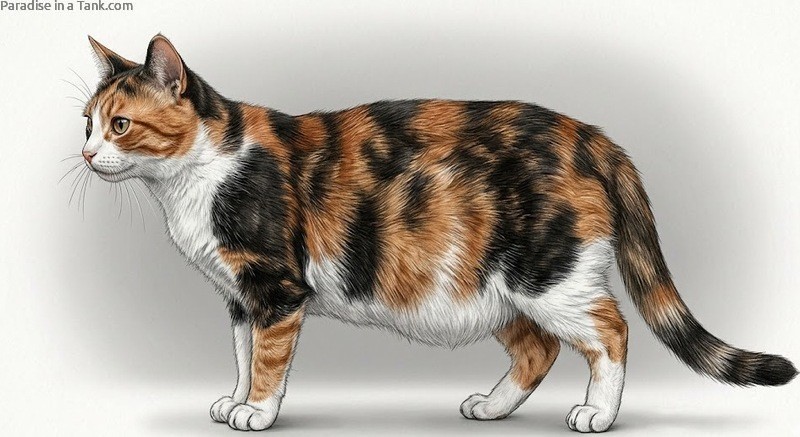
Because a pregnant female has multiple rapidly developing embryos growing inside her uterus, her metabolic demands will skyrocket. She requires an abundance of raw nutrients, proteins, and fats to construct healthy skeletal systems and prime the immune defenses of her unborn litter. Over the course of her nine-week gestation, your female cat will steadily ramp up her daily food consumption until she is eating anywhere from 1.5 to 2 times her normal daily ration.
To support this massive energetic drain, you must gradually transition her daily meals over to a high-quality kitten formula, as commercial adult maintenance kibble simply lacks the dense caloric and mineral profiles she desperately needs right now. It is highly recommended to maintain this specialized, nutrient-dense kitten food protocol all the way through the birth and until the kittens are fully weaned off their mother’s milk at roughly two months of age. Feeding the mother a premium diet directly translates into rich, abundant milk production, ensuring her babies grow into robust, structurally sound cats. However, when upgrading her nutrition, never offer cow’s milk as a supplement; doing so can cause severe digestive distress since many felines develop sensitivities, a topic explored in our look at whether cats are lactose intolerant.
Intense Over-Affectionate Behavior
Feline maternal instincts do not wait for labor to begin; they kick into overdrive during the earliest weeks of embryonic development. A pregnant cat will often experience a profound hormonal surge that causes her to seek intense physical validation from her human guardian, as well as any other companion animals sharing her territory. She may follow you relentlessly from room to room, throwing her weight against your legs, rubbing her scent glands across your ankles, and filling the air with continuous, rhythmic purring and soft vocal “chirps.”
This behavioral shift means she will constantly demand your undivided attention, begging for chin scratches, extended petting sessions, and prolonged cuddles far more frequently than her baseline personality ever dictated. In many instances, she does not even require active handling—she will simply pace around your workspace or rest her body directly against your feet just to feel the security of your immediate presence.
The Sudden Disappearance of Heat Cycles
An unspayed adult female cat living in her reproductive prime will typically enter a highly disruptive hormonal state known as “heat” every two to three weeks. This specific window is when her body becomes entirely receptive to male suitors, triggering primitive mating responses. When a cat is in active heat, she will yowl piercingly at all hours, thrash and roll her back across the floor, and frantically rub her flanks against your furniture to broadcast her pheromones.
Once successful mating occurs and pregnancy takes root, these exhausting heat cycles stop completely. Her hormonal baseline shifts immediately, and she will not showcase these frantic mating behaviors again until long after her kittens are delivered. Given that a feline’s natural gestation period averages about 63 days, you can expect at least a two-month break from her vocal heat episodes.

Advanced Signs of Gestation
As the embryos grow into fully formed fetuses, the signs of pregnancy shift from subtle behavioral quirks to undeniable physical and environmental changes. These advanced markers occur during the final weeks of gestation and leave no doubt that birth is imminent.
Prolonged Sleeping Patterns
While a healthy adult feline already dedicates a massive portion of her day to rest—frequently clocking up to 15 hours of sleep—a pregnant queen will push those boundaries even further. Her body is working at a continuous, exhausting metabolic pace just to sustain the life developing inside her womb. You will quickly notice her disappearing to her favorite sleeping spots for hours on end, stretching her naps far past her normal routine.
- Threats and Red Flags to Watch For:
- A sudden drop in energy levels without a corresponding roundness in the belly can indicate a severe internal infection.
- Extreme lethargy accompanied by complete food refusal requires an emergency veterinary evaluation to rule out underlying illness.
- Frequent vomiting that occurs outside of a minor morning bout can quickly dehydrate a pregnant cat and compromise the litter.
Early Morning Sickness
Much like human mothers, a small percentage of pregnant cats will display mild bouts of morning sickness during the initial developmental stages of their pregnancy. This typically manifests as a clear or yellow fluid vomit produced during the early hours of the day. If your queen only experiences this isolated vomiting episode once or twice, her body is simply adjusting to the massive hormonal fluctuations, and there is no cause for panic.
However, if this vomiting turns chronic, frequent, or is accompanied by a total refusal to drink fresh water, you must immediately get her to a clinic to prevent dehydration. It is worth noting that morning sickness is highly variable; many queens will glide through their entire gestation without a single episode of nausea.
Feline Pregnancy Progression Timeline
| Gestation Window | Expected Physical & Behavioral Milestones | Actionable Custodian Duties |
|---|---|---|
| Weeks 1 to 3 | The heat cycles stop entirely and early hormonal shifts begin to manifest. | Monitor her baseline food intake and look for increased subtle affection. |
| Weeks 4 to 5 | Nipples swell up drastically and turn a deep, dark pink color. | Begin a gradual transition over to a calorie-dense kitten kibble diet. |
| Weeks 6 to 7 | The abdomen distends significantly as the fetuses undergo rapid physical growth. | Establish a quiet, low-traffic nesting zone away from household commotion. |
| Weeks 8 to 9 | Nesting instincts peak as she licks her belly and drops her core temperature. | Prepare clean linens, sterile syringes, and fresh water near her box. |
The Nesting Phase: Preparing for the Delivery
As the final week of the 63-day gestation window approaches, your cat’s primitive survival programming will dictate her every movement. This is when nesting behavior begins in earnest, serving as an absolute, undeniable guarantee that labor is right around the corner.
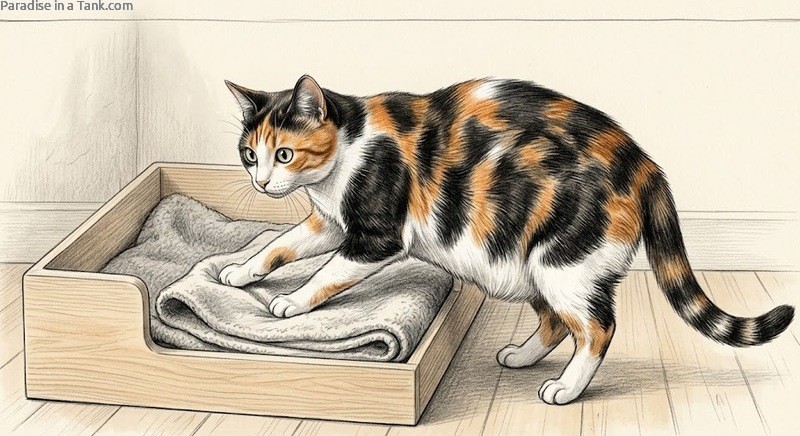
During this frantic period, the pregnant queen will begin actively scouting your home for highly secure, hidden locations that can serve as a safe birthing nest. She will bypass open, airy rooms in favor of pitch-black, silent, low-traffic areas where foot traffic is non-existent and other household pets cannot disturb her. She looks for structural enclosures that are warm, cozy, and completely shielded from ambient noise.
Left to her own devices, she will almost certainly select a location that is highly inconvenient or unsafe for you, such as the dark void beneath a stairwell, the interior of a dusty storage trunk, or the back corner of your clothing closet. To prevent this, you must proactively build and position an ideal nesting sanctuary for her.
Take a spacious, clean cardboard box or a large, accessible pet enclosure and line the bottom with thick layers of soft, clean cotton sheets or old blankets. Place this nesting box in a quiet, climate-controlled room that satisfies both her instinctual need for isolation and your need to monitor her safety. Most importantly, ensure that the entry and exit points to this specific room remain completely unrestricted 24 hours a day so she never feels trapped or cut off from her chosen sanctuary. If she becomes stressed or vocal during this transition, take time to understand her signals, which we cover in our guide on why cats meow and how to handle it.
Clinical Veterinary Verification
If you require absolute, 100% confirmation regarding your cat’s pregnancy status, you should skip the guesswork entirely and schedule an appointment with your veterinarian. Medical professionals rely on three distinct diagnostic tools to safely map out a feline’s pregnancy.
- Symptom Inventory of Veterinary Methods:
- Abdominal Palpation: Starting around day 17 post-mating, an experienced veterinarian can gently manipulate the feline’s lower abdomen to feel for the individual, grape-like fluid swellings of embryonic sacks.
- Ultrasound Diagnostics: Available around day 25, ultrasound scans provide the most reliable early confirmation of viable heartbeats, though they cannot accurately count the exact number of kittens in the litter.
- Radiograph X-Rays: Because the skeletal structures of the kittens do not accumulate enough calcium to harden until day 45, vets wait until day 50 to take an X-ray, providing a crystal-clear count of skull profiles so you know exactly how many births to expect.
The Final 48 Hours: Signs of Active Labor
When your queen enters the final 24 to 48 hours before active labor commences, her behavior will shift dramatically. This is your ultimate warning signal to gather your birthing kit and prepare to act as a supportive, silent guardian.
The Sudden Temperature Drop
One of the most accurate, scientifically verifiable ways to predict the exact start of labor is to monitor your cat’s internal body temperature using a digital pet thermometer every four to five hours as her due date looms. A pregnant cat’s baseline temperature will hover around 101.5 °F for the final days of her pregnancy.
However, roughly 24 hours before she begins delivering her first kitten, her core body temperature will take a sudden, sharp plunge down to 98 or 99 °F. This temperature crash is an unmitigated guarantee that active contractions are about to take over her body. If she is pacing outside of her designated nesting box when this drop occurs, gently guide her back into her prepared sanctuary immediately.
Intense Restlessness and Vocalization
An impending birth causes an immense amount of physical pressure and internal cramping, causing the queen to become highly anxious and physically restless. She will pace her nesting box incessantly, constantly shifting her posture, lying down only to stand right back up, and failing to remain still for more than a few moments at a time.
As the labor pains intensify, she will begin meowing loudly, letting out deep, guttural vocalizations to cope with the sheer stress racking her nervous system. During this critical window, it is vital that her favorite human stays close by to offer quiet, verbal comfort. Speak to her in low, soothing tones, gently stroke her fur if she welcomes the contact, and continually audit the nesting space to ensure she is neither shivering from a draft nor panting from excessive heat.
Appetite Loss and Energy Management
It is incredibly common for a feline to completely skip her final meal right before entering labor. Because the act of pushing out a large litter is a grueling, physically punishing task, her stamina will naturally plummet due to this lack of caloric intake.
If you notice your queen straining extensively or showing signs of severe muscular fatigue between deliveries, you can administer 1 to 1.5 milliliters of premium, pure honey directly into the side of her mouth using a needleless syringe. While honey is absolutely not a natural component of a carnivore’s daily diet and should never be given under normal circumstances, this tiny, controlled dose provides an immediate, safe bloodstream spike of pure glucose to fuel her uterus through the remaining births. Furthermore, if she begins breathing heavily with an open mouth like a dog, immediately offer her fresh water or slowly syringe a few drops into her mouth to keep her hydrated. Keep an eye on her rear area as well; once she begins continuously licking away a clear or slightly tinted fluid discharge, the very first kitten is seconds away from entering the world. Stay calm, trust her ancient evolutionary programming, and let nature take its beautiful course.