The Anatomy of an Omnivore: Why Your Goldfish Cannot Stop Scavenging
Goldfish are opportunistic omnivores that require a dynamic, varied diet consisting of high-quality commercial pellets, nutrient-dense vegetables, and clean protein sources like live or freeze-dried invertebrates. To maintain their ancient digestive tracts and prevent fatal buoyancy issues, their daily rations must balance high-fiber plants with carefully regulated proteins rather than relying solely on standard flakes.
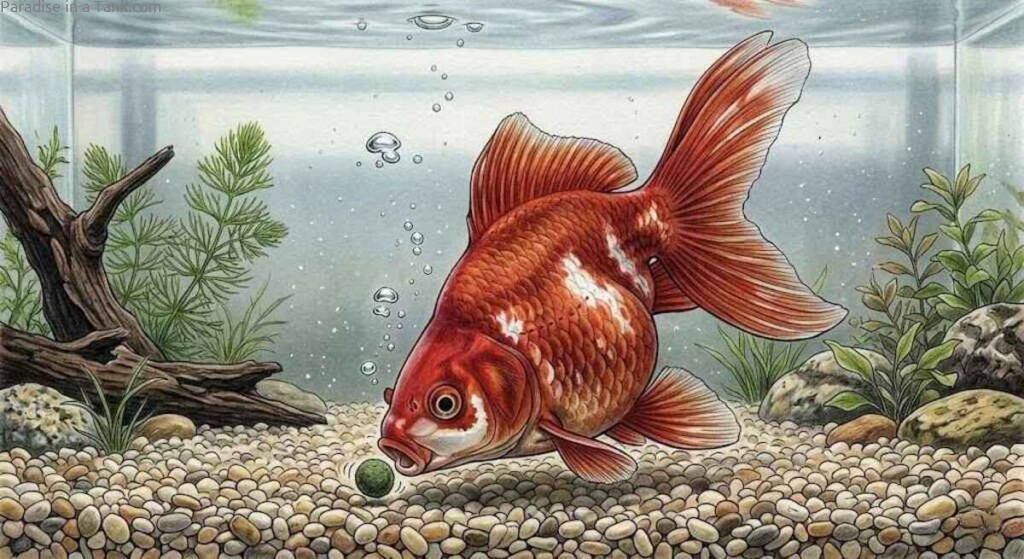
Goldfish are beautiful creatures and among the most commonly kept aquarium fish in the entire world. They possess an undeniable, hypnotic charm as they glide through the water, flashing their brilliant orange, red, and white scales. Because they are not picky eaters, they will eagerly swim to the surface and gulp down almost anything you drop into the tank. But this enthusiastic begging behavior is also a double-edged sword. It means that they will blindly consume materials that could be incredibly dangerous for their long-term health, trusting you entirely to guard their environment.
When you bring a goldfish into your home, you are signing a silent ancestral contract with a creature hardwired by millions of years of evolution. In the wild, their ancestors spent every waking hour foraging through muddy riverbeds, picking at algae, and snapping up tiny bugs. They did not have a steady rain of processed flakes falling from the sky at exactly seven in the morning. If you feed your goldfish the exact same dry food every single day, their digestive systems will stall, their colors will fade, and they will eventually refuse to eat out of sheer boredom.
To understand why your aquatic companions act like bottomless pits, you have to look closely at their physical anatomy. Goldfish lack a true, defined stomach like mammals possess. Instead, they have one continuous, elongated intestinal tract that processes nutrients on the move. Food goes in, the body extracts what it can over several hours, and waste is expelled almost continuously. Because their internal machinery is always running, their ancient survival mechanics scream at them to graze constantly.
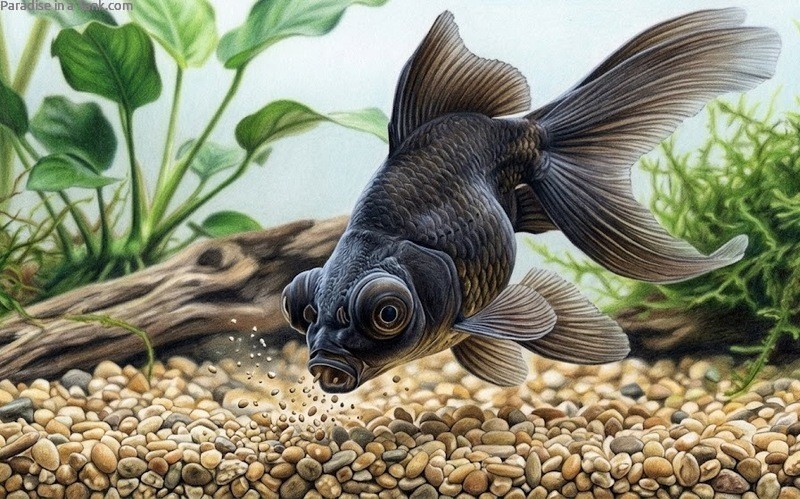
This primitive drive explains why a healthy goldfish will relentlessly peck at decorations, sift through substrate, and pester its tankmates for more food. They are anatomically incapable of feeling full in the way you and I do. If you overfeed them, the excess material simply passes through their intestines partially digested, which instantly fouls your water and triggers massive bacterial outbreaks. Understanding this internal conveyor belt changes how you view their daily care. You cannot just dump a massive pile of food into the tank once a day and walk away. That approach is a direct recipe for disaster. Instead, a disciplined custodian provides tiny, varied portions throughout the week, mimicking the natural rhythm of the wild riverbeds their ancestors called home.
The Core Staple: Re-evaluating Commercial Pellets and Flakes
Let us start with the most obvious and accessible option on the market. Commercial flakes and pellets specifically designed for goldfish are a fantastic foundation for a balanced diet because they are packed with essential vitamins and minerals. However, relying on them exclusively is one of the most common mistakes a beginner keeper can make. Imagine eating nothing but dry cereal for every single meal of your life. Your energy would plummet, your digestion would grind to a halt, and you would quickly lose interest in eating altogether.
Goldfish experience this exact same mental and physical decline when their diet lacks variety. They will actually start eating fewer quantities over time, or they may even stop eating entirely, leaving the uneaten flakes to rot on the gravel. This decaying organic debris fuels toxic ammonia buildup and subsequent nitrite spikes, turning your crystal-clear paradise into a suffocating, hostile environment. If you want to keep your fish truly healthy from day one, it helps to understand how these foundational elements fit into a comprehensive goldfish care guide that addresses water quality alongside nutrition.
To keep their appetite sharp and their water pristine, you must treat commercial food as a baseline staple rather than the entire menu. Look for high-quality, sinking pellets that allow your goldfish to forage naturally at the bottom of the tank. Sinking pellets prevent them from gulping down huge pockets of atmospheric air at the water’s surface, which is a major trigger for agonizing buoyancy disorders. Combine these staples with fresh, whole foods throughout the week, and you will watch your fish transform into vibrant, active dynamos.
Sometimes you might notice your fish suddenly stop eating altogether. Before you panic and assume they are being picky, double-check your environment. Sudden changes in water acidity, drastic fluctuations in temperature, or the sheer stress of being shifted to a brand-new aquarium can shut down their appetite instantly. Always test your water parameters first whenever a fish refuses a meal, as clean water is the true canvas upon which good nutrition operates.
The Garden in Your Tank: Fresh Vegetables and Fruits for Digestive Health
Introducing fresh vegetables and fruits into your aquarium is the ultimate way to boost your goldfish’s immune system while keeping their long intestinal tracts moving smoothly. These natural foods are bursting with essential antioxidants, active enzymes, and raw dietary fiber that commercial processing simply cannot replicate. While vegetables can be offered regularly throughout the week, sugary fruits should be treated as occasional delicacies, limited to two or three times a week to protect the water quality.
Podded Relief: Peas for Constipation and Swim Bladder Protection
Green peas are absolute gold for a goldfish’s internal health. Because goldfish possess compressed bodies—especially the round, ornamental fancy varieties—their internal organs are tightly packed together, making them highly susceptible to painful constipation. When dry food expands inside their intestines, it presses hard against their delicate swim bladder, causing the fish to float upside down or struggle frantically to stay submerged.
To use this natural remedy, you must boil or steam the peas until they are thoroughly softened, then gently peel off the tough outer skins. Discard the shells entirely, as your fish cannot digest them, and chop the soft interior into tiny, bite-sized pieces that can be swallowed easily. The high fiber content acts like a gentle sweep through their digestive tract, relieving pressure and clearing out trapped gas within hours. Beyond fiber, these humble peas deliver a powerful dose of clean protein, iron, and essential structural vitamins to support daily cellular repair.
Crunchy Greens and Hydration: Broccoli and Cucumbers
Broccoli is another fantastic, budget-friendly addition to your husbandry routine. Steam or boil a few florets until they are soft enough to break apart easily between your fingers, then chop them into miniscule fragments. Broccoli is packed with vitamins C and K, while containing virtually zero fat, making it an incredible tonic for boosting your fish’s natural defenses against disease. It allows you to introduce a nutrient-dense green option without risking the lipid accumulations that processed foods often cause.
Cucumbers offer a refreshing change of pace, but they require a steady hand. You must completely peel away the tough outer skin before offering it to your tank. Because cucumbers are composed mostly of water, you need to introduce them in very small, controlled quantities. If you leave a massive, unpeeled slice floating in the water for days, you will be deeply surprised by how incredibly fast the water column turns into a cloudy, foul-smelling soup of decaying matter. Feed them in tiny fragments that can be finished in minutes, or anchor a small slice to a veggie clip and remove it within two hours without exception.
Berry Boosters and Citrus Rewards: Strawberries, Raspberries, and Oranges
Your goldfish will absolutely gobble up fresh strawberries and raspberries if they are prepared correctly. Because raw berries are far too firm for their soft, toothless mouths to tear apart, you must blanch or boil them briefly before slicing them into tiny portions. These vibrant red treats are loaded with manganese and protective antioxidants. Interestingly, goldfish can actually develop certain types of internal cellular growths and cancers; the regular introduction of natural antioxidants helps mitigate these long-term genetic risks while adding excellent structural variety to their week.
Oranges provide a powerful burst of vitamin C, which aids in cellular repair and supports heart health. However, because citrus fruits are highly acidic, they must be fed very sparingly. If you overdo it, the citric acid will irritate their digestive lining, causing severe diarrhea and disruptive water parameter shifts. Always remove every single seed before dropping a tiny piece of orange pulp into the tank, as a swallowed seed can easily choke a smaller fish.
Watermelons are another excellent seasonal treat packed with copper, potassium, and vital B vitamins. Much like cucumbers, watermelons are almost entirely water, meaning they must be rationed strictly. Remove all black and white seeds, chop the pink flesh into tiny specks, and feed it only as a rare weekend treat to prevent structural water quality collapses.
The Live Food Revolution: Culturing Clean Protein at Home
If you want to unlock the absolute best coloration and growth potential in your fish, you must introduce live food into their routine. Live invertebrates trigger their ancient predatory instincts, turning a passive tank inhabitant into an active hunter that thrashes and darts across the aquarium. However, wild-caught live foods can carry hidden parasites and nasty pathogens that can cause serious internal harm to your collection. To protect your tank, it is excellent practice to quarantine live foods in a separate clean bucket or small tank for a few days, treating them with mild preventative medications before feeding them to your fish.
Backyard Hunting: Collecting Contaminant-Free Mosquito Larvae
You do not need to spend a fortune at a boutique specialty shop to give your fish the thrill of the hunt. In fact, you can easily learn how to culture mosquito larvae at home using nothing more than a clean plastic bucket and a patch of shade in your backyard. By setting up a dedicated, clean water collection point outdoors, you create a controlled breeding environment that keeps wild industrial pollutants far away from your fish.
However, you must exercise intense caution regarding environmental contaminants. Ensure the collection bucket is placed far away from areas where lawn fertilizers, pesticides, or car exhaust can drift into the water. If the outdoor water becomes contaminated with chemicals, the larvae will absorb those toxins instantly, creating a poisonous meal that could kill your goldfish by morning. Keep the collection vessel clear of falling leaves or chemical runoff, and harvest the larvae with a fine mesh net the second they begin wiggling at the surface.
Wiggling Balls of Energy: The Power of Bloodworms and Earthworms
Bloodworms are the bright red larvae of midge flies, and they are phenomenally high in pure protein. In nature, these larvae curl up tightly against one another, forming massive, dense spheres that can hold well over a thousand tiny individuals in a space just one inch wide. A hungry goldfish simply cannot resist the sight of a wiggling ball of these worms moving across the aquarium floor. Because they are so rich, you must not feed them too often; a constant diet of heavy protein will cause severe liver issues and bloating. You can source them reliably from local aquarium shops or commercial breeders who cultivate them in controlled, pathogen-free environments year-round.
Earthworms are another spectacular, nutrient-dense protein source that you can easily harvest from clean garden soil or purchase from organic plant nurseries. Goldfish will go absolutely wild for them, but because adult earthworms are far too large for a fish to swallow whole, you must rinse them thoroughly and chop them into manageable pieces. While this process kills the worm and stops the alluring wiggling motion, the rich scent remains completely irresistible.
Before chopping, you must clear out the dirt packed inside the worm’s digestive tract. Place the live earthworms in a shallow bowl of clean, dechlorinated water for a day or two, changing the water three to four times a day. The worms will naturally purge the soil from their bodies without drowning, leaving you with a perfectly clean, safe protein meal. If you manage smaller varieties or distinct breeds, matching these protein sources to the specific different types of goldfish in your collection ensures that less aggressive swimmers get their fair share of the feast.
For younger, juvenile fish that possess tiny mouths, look toward culturing microworms. These miniscule roundworms require minimal maintenance to raise and can be produced in large, rolling batches right on your kitchen counter. Their constant wiggling movements make them completely irresistible to tiny fry, providing the exact caloric dense fuel needed to spark rapid skeletal development during those critical early weeks of life.
The Dehydrated Goldmine: Navigating Freeze-Dried Foods Responsibly
If maintaining live cultures sounds too messy or time-consuming, freeze-dried foods offer a fantastic compromise. Freeze-drying locks in all the raw nutritional benefits, vitamins, and intense flavors of live prey without any of the associated parasite risks. These convenient treats can be stored in your cabinet for weeks on end without spoiling. However, because freeze-dried foods are completely dehydrated, they present a unique physical danger if they are dropped directly into the tank.
During the manufacturing process, these foods lose about two-thirds of their natural mass and weight through dehydration. This means that if you feed five grams of freeze-dried food, you are actually giving the nutritional equivalent of fifteen grams of fresh prey. Furthermore, when a dry, unsoaked worm enters a goldfish’s mouth, it will rapidly absorb moisture inside the fish’s long intestinal tract, expanding drastically in size. This sudden internal swelling can easily cause severe blockages, severe tearing, or fatal bloating.
To completely bypass this risk, always rehydrate freeze-dried foods before feeding. If you are using cubes of tubifex worms or freeze-dried bloodworms, place the cube in a small cup of aquarium water for a few minutes to let it soften and expand safely. Alternatively, you can submerge the cube and press it firmly against the inside glass of the aquarium under the water level, allowing it to soak up moisture while your fish nibble at it safely. This simple mechanical precaution eliminates the danger of internal expansion entirely.
Brine shrimp—often known as artemia—are tiny marine crustaceans that grow no larger than twelve millimeters. They are incredibly rich in growth-promoting proteins and can survive in incredibly salty environments. You can easily find them freeze-dried online, or you can even explore how to culture live brine shrimp at home to give your juvenile fish a spectacular developmental edge.
Krill and daphnia are equally valuable crustaceans to add to your rotation. Krill are packed with specialized minerals and carotenoids that naturally intensify the red and orange pigments in your goldfish’s skin. Fascinatingly, Antarctic krill hold the title for the largest creature biomass on earth, totaling hundreds of millions of tons despite each individual growing to just two and a half inches. Daphnia, on the other hand, are tiny, microscopic water fleas that are almost invisible to the naked eye. They are packed with essential vitamins and act as a wonderful, easily swallowed food source for tiny, growing juvenile goldfish that cannot yet handle large worms.
Heavyweight Meats: The Truth About Beef Heart, Shrimp, and Fresh Fish Market Rations
For keepers looking to maximize the growth of large, show-grade goldfish, the local fresh seafood and meat market offers highly effective options. Fresh, raw beef heart is remarkably high in protein, iron, and folate. To prepare this heavy meal, you must meticulously trim away every single speck of white fat attached to the muscle tissue before chopping the deep red meat into tiny, soft pieces. Mammalian fat cannot be processed efficiently by a fish’s cold-blooded metabolism; leaving fat on the meat will ruin their livers and create a greasy, suffocating film across your water surface. You can prepare a large batch of clean beef heart, chop it up, and store it safely in your freezer for up to three months.
Raw shrimp from the market is another excellent choice, packed with natural phosphorus and selenium. Before processing, you must completely strip away the sharp heads, tough legs, and pointed tails, as these rigid structures can easily puncture the soft throat lining of your goldfish. Rinse the clean shrimp meat thoroughly under cold running water, and dice it into miniscule pieces. Gathering these foundational facts is part of building a solid understanding, and you can access more useful information for goldfish keepers to help refine your overall mechanical feeding strategies.
You can also feed your goldfish small portions of fresh, white-fleshed or red-fleshed fish from the market. Always remove every single scale, fin, and bone before dicing the meat. Fresh fish contains highly beneficial fatty acids that support cellular health, and while some varieties can stay fresh in the freezer for up to six months, it is best practice to use your frozen homemade seafood mix within two months to ensure maximum vitamin potency. All fish varieties remain perfectly safe and structurally intact in the freezer for at least two months, making it easy to keep a rotating supply of high-grade protein on hand.
Goldfish Diet Comparison Matrix
| Food Category | Optimal Feeding Frequency | Primary Health & Husbandry Benefit | Preparation Requirement |
|---|---|---|---|
| Sinking Pellets | Five to six times per week | Provides a stable, vitamin-rich nutritional baseline. | Choose sinking varieties to prevent surface air gulping. |
| De-shelled Peas | Two to three times per week | Prevents painful constipation and protects the swim bladder. | Boil thoroughly and completely remove the outer skins. |
| Live Invertebrates | One to two times per week | Triggers natural hunting behaviors and boosts growth rates. | Quarantine for forty-eight hours to eliminate parasites. |
| Rehydrated Freeze-Drieds | Two times per week | Delivers safe, pathogen-free protein concentrations. | Soak in aquarium water for two minutes before feeding. |
| Trimmed Market Meats | Once per week as a treat | Packs raw iron and minerals for mass and size development. | Remove all mammalian fat, bones, and sharp outer shells. |
The Ultimate Actionable Toolkit for Goldfish Stewards
Absolute Dietary Threats and Risks
- Unsoaked Dehydrated Foods: Dropping dry freeze-dried food directly into the tank can cause fatal internal expansion and intestinal blockages.
- Mammalian Fat Contamination: Feeding untrimmed beef heart introduces saturated fats that your fish cannot digest, leading to liver failure.
- Sharp Shells and Skeleton Pieces: Failing to remove shrimp tails or fish bones can cause catastrophic internal punctures to the digestive tract.
- Monotonous Flake Feeding: Offering a single dry food day after day causes severe nutritional deficiencies and total loss of appetite.
- Unregulated Wild Harvesting: Collecting live food from areas exposed to lawn chemicals or pesticides will quickly poison your entire aquarium.
Critical Symptoms of Digestive Distress to Watch For
- Upside-Down Floating: The fish struggles to stay upright, floating helplessly to the surface due to compressed swim bladder pressure.
- Trailing White Feces: Long, hollow, stringy white poop hanging from the fish indicates severe intestinal inflammation or long-term starvation.
- Lethargic Substrate Sitting: The goldfish sits heavily on the gravel in the corner, clamping its fins tightly against its body out of sheer discomfort.
- Sudden Abdominal Pineconing: The scales along the midsection begin sticking out like a pinecone, signaling advanced fluid retention and organ failure.
- Complete Feeding Refusal: The fish swims away from dropped food or spits it out repeatedly, indicating advanced water fouling or digestive stagnation.
By understanding the ancient evolutionary programming of your goldfish, you transform from a casual keeper into a disciplined custodian of nature. Ditch the simple routine of dumping generic flakes into a cloudy bowl. Invest the time to prepare fresh greens, source clean proteins, and vary their meals with intention. Your reward will be a tank filled with long-lived, high-energy companions displaying the most breathtaking, vibrant colors imaginable. Take control of their nutrition today, watch their behaviors closely, and enjoy the beautiful journey of building a thriving aquatic masterpiece.