Finding the Perfect Companion Beyond the Kennel
If you love the affectionate, trainable, and deeply loyal nature of a dog but find yourself restricted by apartment rules, exhausting work hours, or severe allergies, you are not out of options. Many incredible animals possess these exact same endearing traits, allowing you to experience the profound joy of a dedicated animal bond without the heavy logistical demands of traditional canine ownership.
If you are looking for an animal that matches a dog’s affection and intelligence, the best dog alternatives include cats (specifically active breeds like Bengals), domesticated rats, pygmy goats, and ferrets. These animals possess highly social hardwiring, can be trained to perform complex tricks, and form deep emotional bonds with their human keepers.
The Quick-Reference Dog Alternative Comparison Matrix
Choosing the right animal companion requires a cold, hard look at your living space and daily schedule. This straightforward matrix breaks down exactly what you can expect regarding lifespans, enclosure limits, and those highly sought-after canine-like personality traits.
| Animal Companion | Average Lifespan | Space Needed in the Home | Key Canine-Like Factors |
|---|---|---|---|
| Hamsters | 2 to 3 Years | Small enclosure fitting easily in a room corner | Entertaining to watch and can become comfortable with regular handling. |
| Ferrets | 6 to 10 Years | Large multi-level enclosure and plenty of free-roaming time | Incredibly energetic, highly curious, and requires similar attention to a puppy. |
| Mice | 1 to 2 Years | Small enclosure fitting easily in a room corner | Highly trainable for simple tricks and very social when kept in female groups. |
| Cockatiels | 10 to 15 Years | Medium cage with daily room-flying socialization | Can be hand-tamed to sit on your shoulder and softly mimic your voice. |
| Rats | 2 to 3 Years | Large enclosure fitting easily in a room corner | Remarkable emotional bonding, highly intelligent, and loves to cuddle in your lap. |
| Chinchillas | 10 to 15 Years | Large multi-level cage requiring climate control | Unbelievably soft fur and thrives on routine human handling when young. |
| Pygmy Goats | 10 to 15 Years | Large indoor apartment space or a dedicated outdoor lawn | Highly playful, loves intense attention, and can be trained to do basic tricks. |
| Oscar Fish | 10 to 12 Years | Medium aquarium fitting easily in a room corner | Recognizes their human keepers and will actively beg for food at the glass. |
| Iguanas | 12 to 15 Years | Large enclosure several feet long for big rooms | Highly intelligent, capable of litter training, and can become docile over time. |
| Cats | 12 to 15+ Years | Free roaming throughout the entire household | Deeply affectionate, capable of learning tricks, and highly interactive with toys. |
The Pocket-Sized Explorers: Hamsters and Mice
Hamsters: The Entertaining Cheek-Stuffers
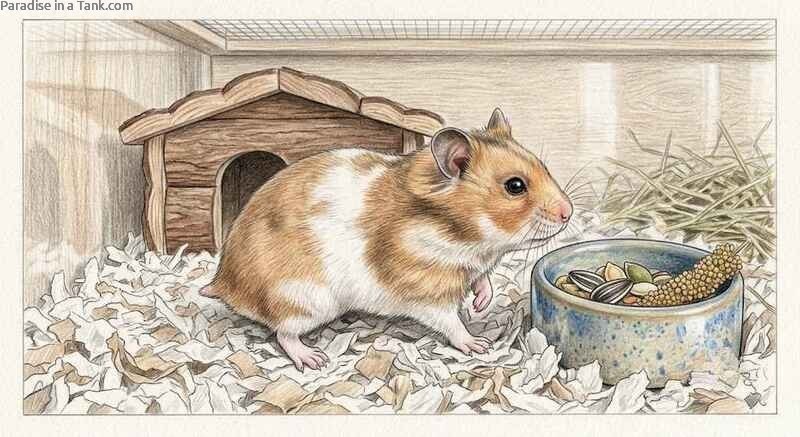
Hamsters represent the tiniest, lowest-maintenance creatures on this list. If you are operating on a tight budget or a restricted schedule, these little pocket rodents are a fantastic choice because they are much cheaper to buy and maintain than any canine. While there are a few distinct species to choose from, the Syrian Dwarf Hamster holds the title for the absolute smallest (it is about half the size of a standard mouse!).
Because of their evolutionary drive to forage and hide from predators, hamsters require a small enclosure equipped with deep bedding. You will need to clean the enclosure and swap out dirty bedding daily to prevent the buildup of foul odors, but compared to walking and grooming a dog, they require way less daily time and effort to care for properly. Regularly interacting with your hamster will make them entirely comfortable with you, allowing you to pick them up without any fear of nipping. While they are simply too small to cuddle with like a traditional pet, they are endlessly entertaining to watch as they stuff their expandable cheeks with food and scurry off to store it in a preferred secret spot.
Mice: Highly Social Tricksters
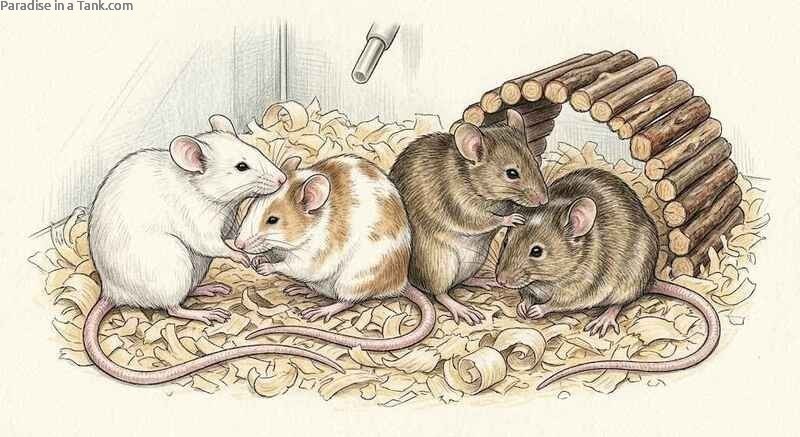
Do not underestimate the humble mouse; these tiny rodents exhibit many of the exact traits that we love about dogs. They possess curious minds and can actually be trained to perform simple behavioral tricks in exchange for small food rewards. It is a genuine joy to watch them burn off energy running on their exercise wheel inside their cage.
If you want to witness fascinating community dynamics, keeping multiple female mice together is the way to go. They behave in a highly social manner, and their daily grooming rituals and playful interactions are incredibly fun to observe. However, you must be extremely cautious with your colony planning. If you keep a male mouse along with the females, they will breed very rapidly, and soon you will have more baby mice than you know what to do with. Tap into their natural curiosity by giving them multiple small toys and swapping them out regularly to witness entirely new, dynamic behaviors.
Intelligent and Deeply Affectionate Mammals
Rats: The Miniature Chihuahuas of the Rodent World
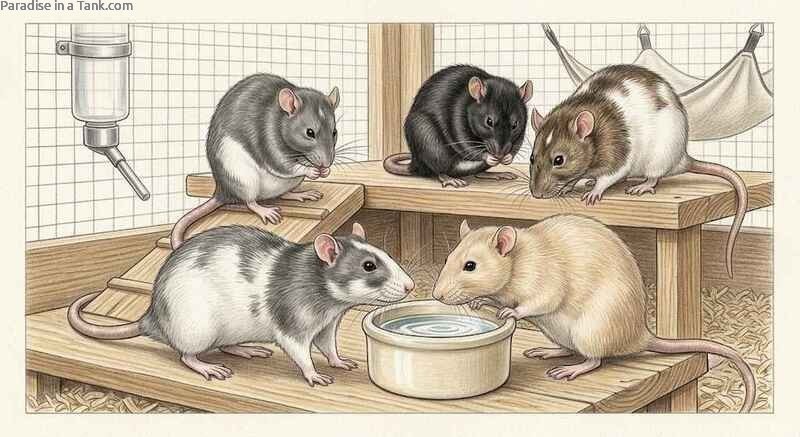
Domesticated rats are perhaps the most misunderstood animals in the entire pet world. In reality, rats are intensely social animals that love to cuddle and hang around people. They can form deep, emotional bonds with their humans that are remarkably similar to the bonds formed by loyal dogs.
Some people might be highly skeptical about welcoming a rat into their home, as wild rats are historically known to carry dangerous diseases. However, domestic rats bred specifically to be pets are generally quite docile, clean, and won’t bite you if handled gently. To put your mind at ease, take your rat to the vet for a thorough examination as soon as you bring it home for the first time; regular visits to a qualified veterinarian should easily fix any health concerns before they become actual problems. Physically, they are about the same size as a small Chihuahua, making them big enough to cuddle and hold comfortably in your hands. They are also super intelligent creatures that can be trained to do a wide variety of advanced tricks, from navigating complex mazes to retrieving small items.
Chinchillas: The Velvet Pillows of Land Mammals
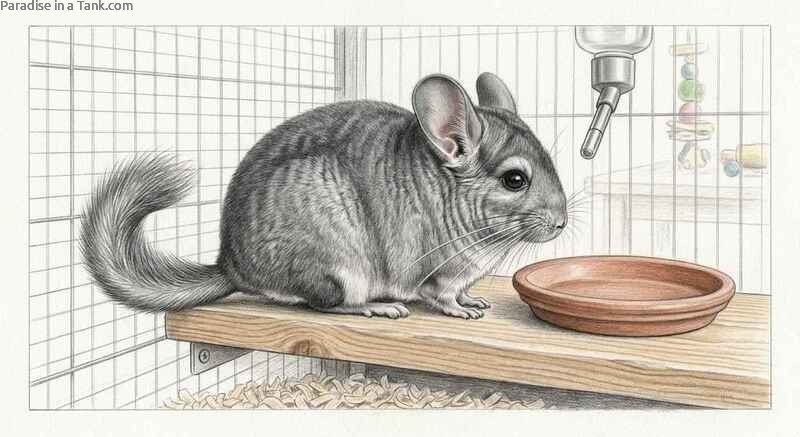
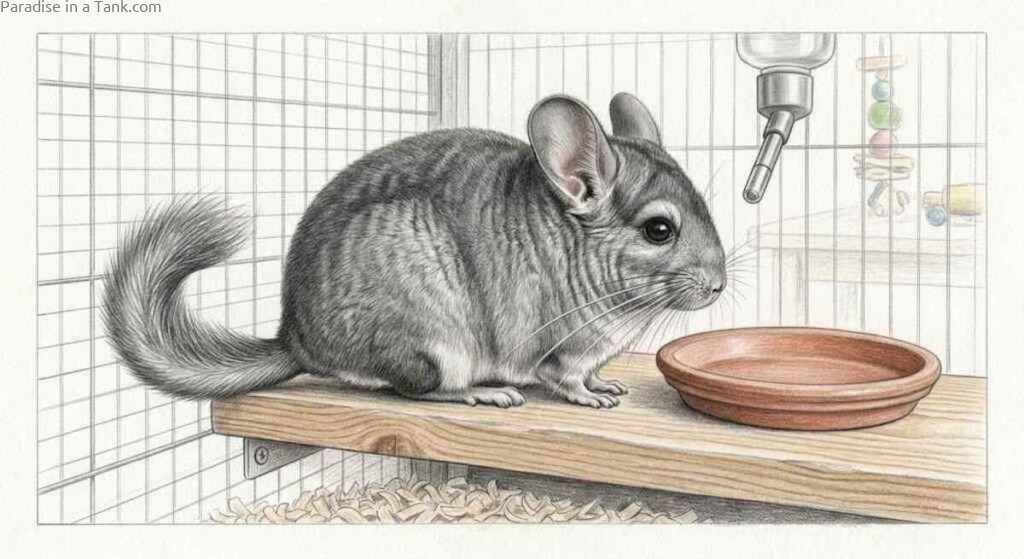
If your primary goal is finding a pet you can deeply cuddle, the chinchilla demands your attention. These animals possess incredibly soft fur that holds the title for being the densest of all land mammals. Their coats feel exactly like a plush, luxury velvet pillow against your skin. Because their fur is so unbelievably dense, it provides a natural defense mechanism by resisting common pests like fleas and ticks.
Chinchillas share a similar lifespan to dogs, meaning this is a long-term commitment that requires serious thought. If you bring one home when it is very young, it will grow highly accustomed to being held, carried, and cuddled on the couch. Keep in mind that these are exotic creatures that require specialized husbandry. You must provide them with regular dust baths to keep their dense fur clean, maintain a strictly controlled temperature environment to prevent heatstroke, and house them inside large cages that offer at least three square feet of open floor area to leap around safely.
Ferrets: High-Energy Sunrise and Sunset Explorers
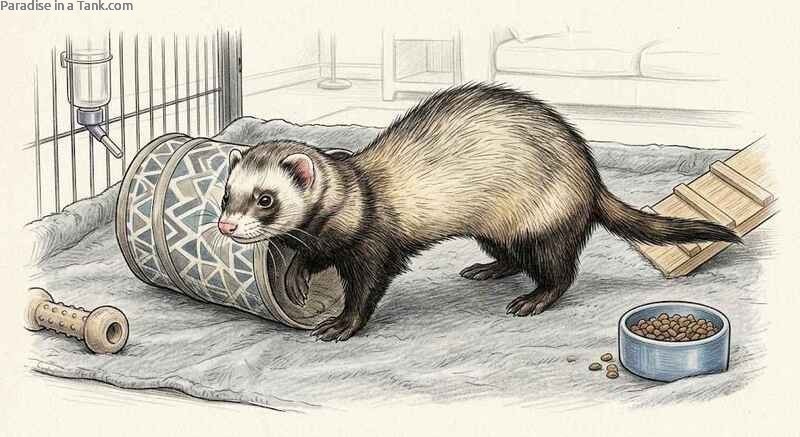
One of the most attractive things about ferrets is their unique, elongated shape. One quick look at their long, slender bodies tells you everything you need to know about their evolutionary background; they are built to run fast and navigate tight underground tunnels. Ferrets are intensely curious by nature, spending almost all of their waking hours observing their surroundings and actively cramming themselves into every nook and cranny they can find.
Because their slender shape allows them to get inside the smallest of household spaces, you will absolutely need to thoroughly “ferret-proof” your entire home before bringing one back. However, making adjustments to your living room is something you would have to do if you were bringing home a destructive puppy anyway! Ferrets are definitely not for the passive pet keeper; they require just about the same amount of human energy and daily care time as a standard dog. While they are super energetic and bubbly around sunrise and sunset, they remain relatively inactive and sleep soundly for most of the middle of the day. If you can easily modify your daily schedule to have a little bit of dedicated free time at sunrise and sunset, ferrets may just be the perfect dynamic alternative you’ve been searching for.
Avian and Reptilian Companions
Cockatiels: The Gentle Mimics of the Air
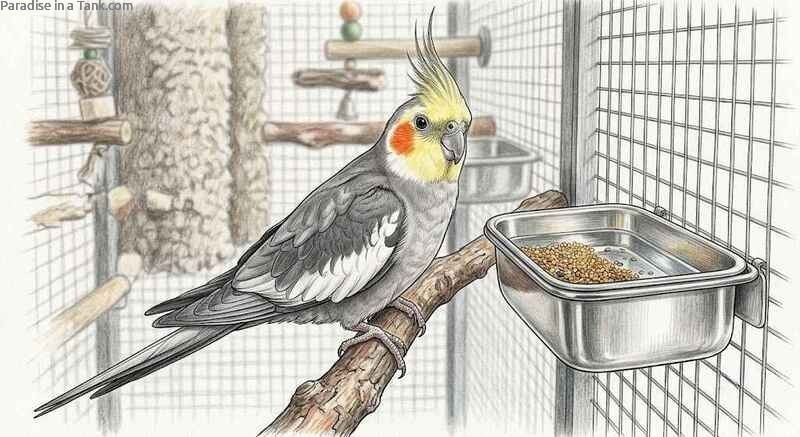
It might seem incredibly weird to compare a bird to a dog at first glance, but cockatiels make absolutely phenomenal home companions. If you bring them home when they are very young, you can hand-tame them with ease. This means they can be fully trained to come when called, take food gently from your open hand, and fly directly to and from your shoulders during out-of-cage time.
Cockatiels are remarkably talented at mimicking our human voices, often whistling back your favorite tunes in a soft, melodic whistle. On the scale of pet birds, they are on the smaller side, meaning they need a relatively smaller cage and consume less food than large parrots. They aren’t very noisy either; even keeping multiple pairs of cockatiels together results in far less disruptive noise than owning a single large bird like a macaw or a cockatoo. If you provide them with a large enough cage, they will remain happy inside it for most of the day, requiring you to only take them out to socialize and bond once or twice a day.
Iguanas: Prehistoric Brains and Structured Environments
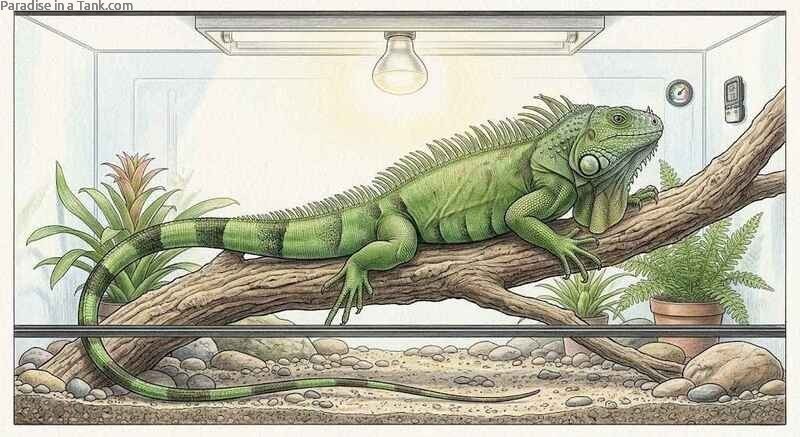
Iguanas are certainly not what anyone would call traditionally cuddly, and they obviously lack a warm, furry coat. However, these reptiles are significantly more intelligent than most people imagine, and you can still comfortably hold them for a few minutes at a time once a mutual bond of trust is established. With proper, consistent training, an iguana can even be completely litter trained and safely taken out to public pet shows.
The key to a docile iguana is early socialization. It is highly recommended to purchase a very young iguana so that it gets used to your physical handling and its household surroundings much faster. By dedicating time to daily handling during their youth, you can successfully avoid making them aggressive or territorial as they grow older and larger. They do require large enclosures that are several feet long, meaning they are best suited for large rooms where their temperature and humidity needs can be carefully maintained.
Aquatic and Livestock Surprises
Oscar Fish: The Glass-Gazing Intellectuals of the Tank
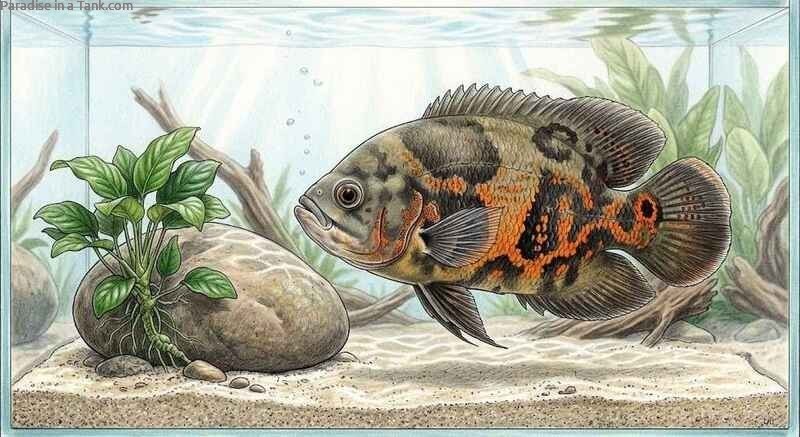
If you think all fish are mindless swimmers, you have never encountered an Oscar fish. Oscars are widely celebrated as being among the most intelligent freshwater aquarium fish in the hobby. They can easily identify their specific owners, and they will actively swim close to the aquarium glass to greet you whenever you walk into the room.
Remarkably for an aquatic creature, Oscar fish can actually be trained to perform basic tricks, such as swimming through hoops or taking food directly from your fingers. A trusting Oscar will even let you gently touch their back occasionally. Because they are fish, they will never leave their tank, meaning they require zero litter training, won’t track mud across your floors, and never need to be walked in the freezing rain. However, they are not a good beginner fish; they require a medium-sized aquarium that can fit in the corner of a room, and they can be quite hard to care for if you have never managed a fish tank before. Additionally, their individual personalities vary wildly; while some can grow quite tame, most retain an aggressive streak that requires careful monitoring.
Pygmy Goats: Miniature Barnyard Buddies for Your Lawn
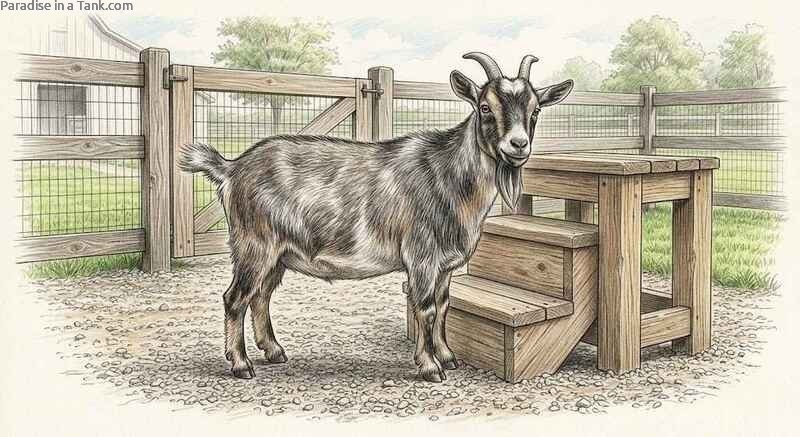
Pygmy goats are hands-down the most dog-like animals on this entire list. They absolutely crave human attention, possess an intensely playful spirit, and love to cuddle up against you. They are easily trained to perform basic agility tricks and love nothing more than having a safe structure to climb on.
Because of their small size—which is roughly the same footprint as a medium-sized dog—they can actually be successfully kept in a spacious apartment, though they absolutely thrive if you have a secure lawn for them to graze on. Who doesn’t love to watch tiny goats joyfully jump around the yard? As an added bonus for your sustainable homesteading efforts, if you choose to breed them, they will even provide you with a steady supply of highly nutritious milk!
The Classic Contender: Selecting the Right Cat Breed
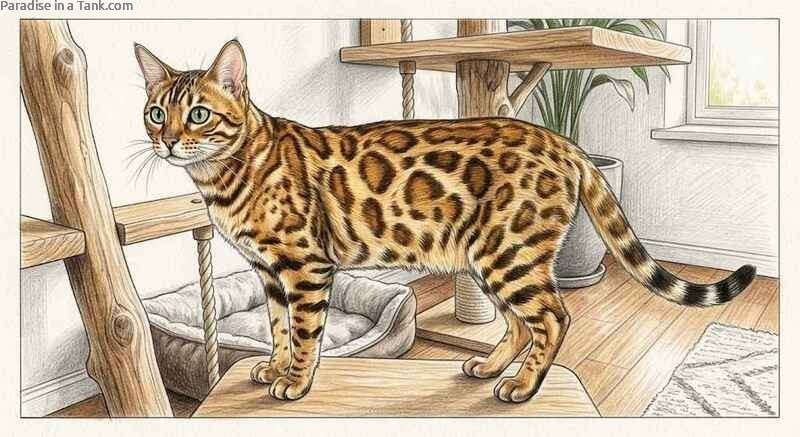
Many people view the pet world as a strict divide between cat people and dog people. However, cats exhibit many of the exact same qualities we love in dogs, completely shattering the myth that they are entirely cold or distant. Cats are deeply affectionate creatures; they just happen to be a bit less fussy and demanding about it than dogs. They love to be pet and cuddled, but typically prefer it for a few minutes at a time before seeking out a quiet resting spot.
If you want to avoid bringing home an independent cat that ignores you when it grows older, the solution is simple: select a specific breed known for its loving, dog-like devotion.
- The Maine Coon: These gentle giants are incredibly loving, family-oriented, and tend to be very mellow and low-activity.
- The Ragdoll: True to their name, these cats will literally go limp with relaxation in your arms when picked up for a cuddle session.
- The Bengal: If you want a super active breed that requires a ton of physical attention and interactive play like a dog, this striking breed fits the bill perfectly.
- The Abyssinian: Highly athletic and intensely curious, these cats will shadow your every move around the house.
- The Siamese: Incredibly active and deeply attached to their humans, though they “talk” and vocalize a lot, which you must be prepared for.
If you bring home a kitten from an active breed, you can easily train them early on to perform entertaining tricks in return for small treats. Active breeds are absolutely fantastic if you intend to invest time into behavioral training, as calmer breeds simply won’t be nearly as responsive to your teaching efforts. By understanding their ancestral instincts and giving them the proper mental stimulation, you can easily enjoy a canine-like bond with a feline companion.