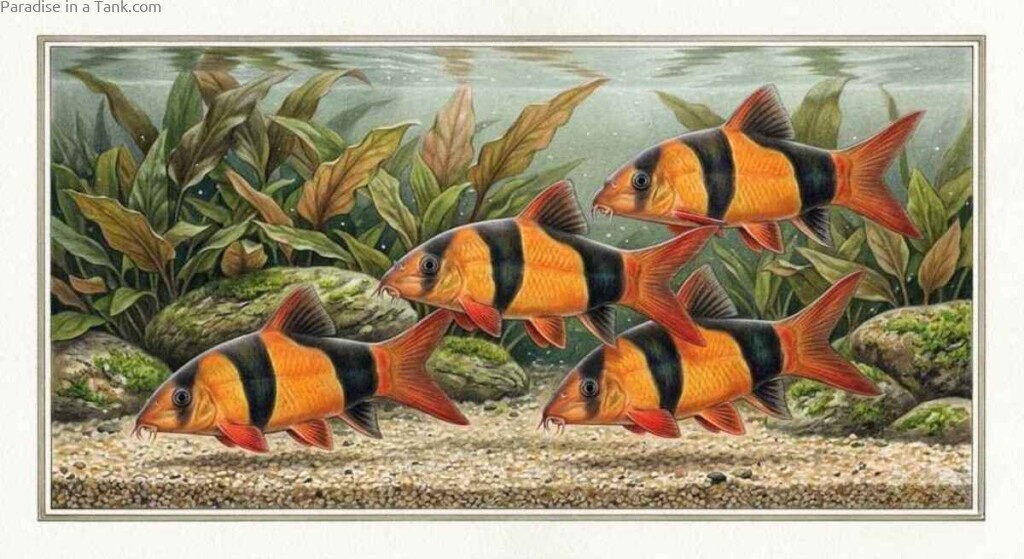
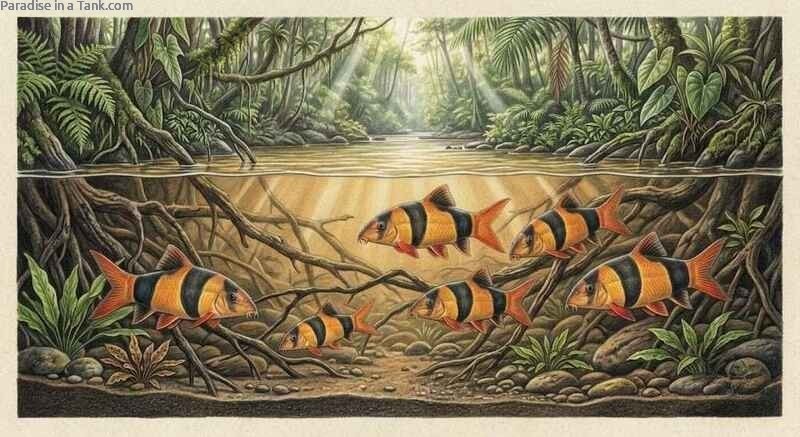
Keeping clown loaches is not a casual hobby; it is an ancestral evolutionary contract. These striped, scythe-finned bottom-dwellers are hardwired with primitive survival mechanics shaped by millions of years navigating fast-flowing Indonesian river systems. They are dynamic, highly intelligent schooling fish that demand an exhaustively varied diet to maintain their immune systems and intense coloration. If you don’t treat them like they demand to be treated,you will face catastrophic health failures, stunting, or find your loaches suddenly dead on the substrate.
Decoding the Omnivorous Appetite of Clown Loaches
Clown loaches are opportunistic omnivores that require a diverse, rotating diet of sinking commercial pellets, live prey like pest snails and bloodworms, freeze-dried crustaceans, and blanched vegetables to thrive. Providing a varied feeding schedule prevents nutritional deficiencies, halts behavioral boredom, and satisfies their deep-seated evolutionary predatory drive to hunt along the substrate.
If you feed your clown loaches the exact same commercial flake or pellet every single day, they will inevitably get bored of it. When boredom sets in, their appetite drops, they start eating far fewer quantities, or they may even stop eating altogether, initiating a dangerous downward spiral toward starvation. You must mix up their diet often to keep their predatory instincts sharp and ensure they receive a beautifully balanced spectrum of vitamins, lipids, and proteins. While they readily accept commercial sinking options, they crave the visceral thrill of chasing down live food and tearing apart fresh matter.
Sometimes, these sensitive fish will suddenly stop eating due to environmental stressors. Shifting them to a new tank, sudden fluctuations in water temperature, or subtle changes in water parameters like water acidity and nitrate buildup can shock their nervous systems. If they refuse food, you must immediately audit your water parameters to ensure toxic ammonia and toxic nitrite are resting at absolute zero.
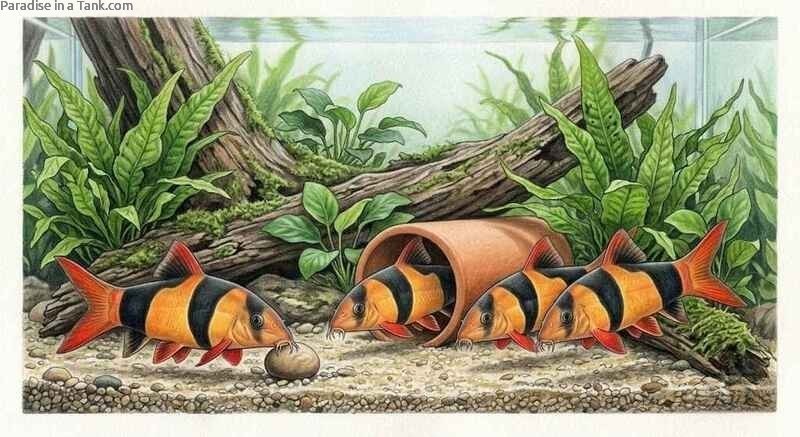
Sinking Commercial Pellets: The Nutritional Foundation
Commercial flakes and pellets that sink directly to the bottom form the stable foundation of your loaches’ weekly routine. Because clown loaches possess subterminal mouths designed to forage exclusively along the aquarium floor, floating foods are practically useless and will simply rot, causing severe bacterial outbreaks and water fouling.
- Specially Formulated Loach Pellets: Always seek out premium brands engineered specifically for bottom-dwelling loaches, as they provide concentrated density and targeted vitamins.
- Algae Wafers: High-quality compressed vegetable discs ensure your loaches receive essential plant matter, preventing intestinal blockages.
- Sinking Wafers: Dense, protein-packed wafers hold their shape under water for hours, allowing timid or nocturnal loaches plenty of time to graze comfortably.
Live Foods: Igniting the Primeval Hunting Instinct
In the wild, clown loaches are apex micro-predators within their benthic zones. They actively hunt, flush out, and crush their food. When you drop live food into an aquarium, watch how their body language transforms instantly—their natural instincts kick in, their fins flare, and they hunt down the moving prey with fierce, kinetic precision. However, live foods harvested from questionable sources carry an immense threat of introducing deadly internal parasites into your tank, which can decimate your loach school.
To protect your school, make it an unyielding rule to quarantine all live food animals in a separate tank or clean bucket for a few days. Treat them with anti-parasitic medications before offering them as a meal to your loaches.
Snails: The Ultimate Loach Delicacy
Clown loaches absolutely love to eat snails. They are universally famous as relentless snail clearers and are the single best biological weapon for managing an aquarium overrun by a snail infestation. They will ruthlessly track down and consume pond snails, ramshorn snails, and even small apple snails by popping them clean out of their shells. While many hobbyists buy clown loaches strictly to control pest snail populations, far too many are completely unprepared to take care of these long-lived fish once the snails run out.
Mosquito Larvae: Zero-Cost Insect Protein
Mosquito larvae are packed with raw energy and cost next to nothing to harvest. You can easily set up a small breeding station using a clean bucket filled with water and placed in a shaded outdoor area. This simple setup rewards your fish with incredibly fresh live food while simultaneously decreasing the local pest population around your home.
- Chemical Contaminants: Runoff from garden pesticides, lawn fertilizers, or airborne pollutants will contaminate the water.
- Pathogen Vector Risk: Larvae raised in polluted water will absorb toxic compounds, posing a fatal health risk to your loaches.
- Stagnant Water Overload: Failing to harvest the larvae before they pupate will result in an absolute swarm of adult mosquitoes inside your property.
Bloodworms: High-Protein Substrate Revelry
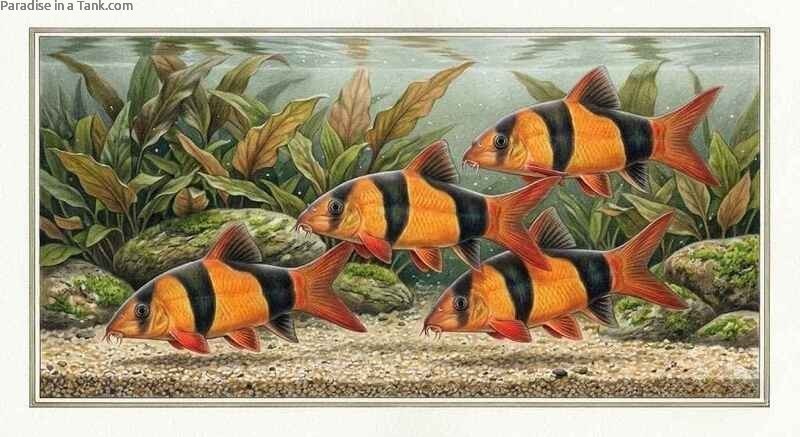
Bloodworms are incredibly high in pure protein and serve as an exceptional conditioning food for growing loaches. In nature, these larvae curl up tightly against one another to form dense, wiggling balls. A single ball measuring just one inch wide can contain well over a thousand tiny individuals. A hungry clown loach school will absolutely thrash around the tank floor when presented with a wiggling mass of these worms. You can easily source bloodworms online, at local aquarium shops, or from live bait suppliers. Be aware that commercial breeders can supply them year-round, whereas wild-caught bloodworms from local water bodies are highly seasonal.
Fresh Vegetables: High-Fiber Digestive Resets
Just like land animals, clown loaches require dietary fiber to keep their complex digestive tracts running smoothly, preventing lethal bloat and swim bladder disorders.
Peas
Peas act as an invaluable digestive sweep, preventing constipation and clearing up systemic swim bladder issues that stem from internal blockages. To prepare them, you must boil the peas until soft and completely peel off their tough outer skins. Chop the soft inner pea flesh into tiny, bite-sized fragments so your loaches can easily swallow them whole without choking. Peas offer an incredible nutritional profile rich in natural fiber, iron, protein, and vital micronutrients.
Broccoli
Broccoli is another excellent fiber source that must be thoroughly steamed or boiled until soft, then diced into tiny pieces. Broccoli contains virtually zero fat and is overflowing with Vitamin C, Vitamin K, iron, and potassium. Feeding broccoli occasionally provides a major boost to your loaches’ immune systems, helping them ward off common skin parasites.
Cucumbers
Cucumbers are a highly engaging, hydrating treat, but they require strict preparation. You must completely peel off the outer skin before anchoring a slice to the bottom of the tank. Because cucumbers are almost entirely composed of water, you must only feed very small quantities at a time. If you leave a massive slice of cucumber rotting in the tank overnight, you will be shocked at how fast your water parameters collapse into a foul, cloudy mess.
Fruits: Occasional Vitamin-Rich Treats
You might be surprised to learn that clown loaches have a major sweet tooth—many individuals absolutely love the intense flavor of fresh fruits. However, due to high natural sugar contents, fruits must be treated strictly as rare, occasional treats.
Bananas
Bananas are exceptionally high in potassium and offer a perfect, soft-textured option to break up dietary monotony. Because bananas contain concentrated levels of natural sugar, overfeeding will quickly cause intestinal distress and trigger massive bacterial blooms in the water column. Offer only tiny, smashed pea-sized amounts once every few weeks.
Strawberries
Strawberries are highly coveted by loaches due to their vibrant color and potent scent, offering a powerful dose of antioxidants, Vitamin C, and manganese. Clown loaches possess no true teeth in their jaws and will struggle to chew raw strawberry flesh. You must lightly boil or blanch the strawberry first, then slice it into minute pieces before dropping it into the aquarium.
Watermelon
Watermelon provides a unique array of essential minerals, including copper, potassium, Vitamin B5, Vitamin A, and Vitamin C. Before introducing a small cube into the tank, you must carefully pick out every single seed, as these hard seeds can choke your fish or cause fatal internal obstructions. Feed watermelon rarely and in tiny portions to safeguard your water clarity.
Freeze-Dried Foods: Safe, Shelf-Stable Alternatives
Freeze-dried foods are essentially live organisms that have undergone a specialized flash-freezing and dehydration process. They retain the exact same nutritional benefits as fresh live food but eliminate the lingering threat of introducing live pathogens or parasites. They require zero special maintenance or live cultures and can sit in your freezer for months while remaining completely viable.
However, because freeze-dried foods are entirely dehydrated, you must exercise extreme discipline when measuring out portions. During dehydration, foods lose water weight and reduce in overall mass by roughly three times. This means if you feed 5 grams of freeze-dried food, you are actually giving your fish the nutritional and volumetric equivalent of 15 grams of non-dehydrated food. Once inside the loach’s stomach, these foods will rapidly rehydrate, expanding heavily in size and potentially causing life-threatening stomach ruptures.
- Tubeworms: Readily available online and packaged into compact cubes, tubeworms are highly enticing. Soak the cubes in a small bowl of tank water for a few minutes to rehydrate and soften them before feeding. Alternatively, you can aggressively press the dry cube directly against the inside glass beneath the water line, allowing it to soften slowly as the fish peck at it.
- Brine Shrimp: Also known scientifically as Artemia, these tiny crustaceans grow no larger than 10 to 12 millimeters and thrive in high-salinity environments. They are widely available and provide a phenomenal burst of clean protein.
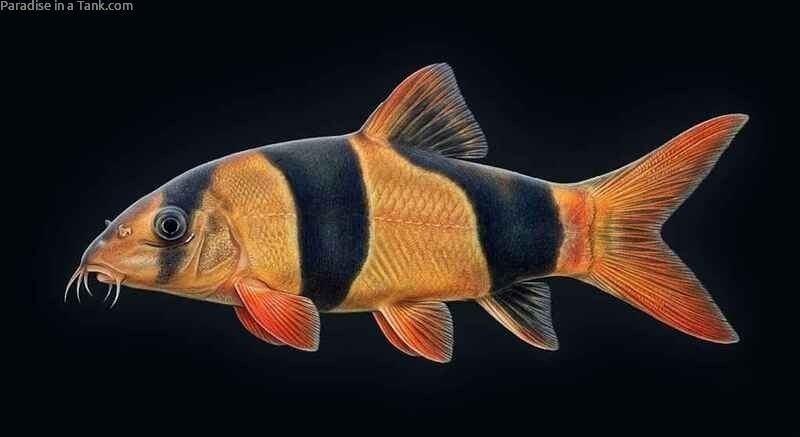
- Krill: Packed with structural vitamins and minerals, freeze-dried krill is highly prized for its natural astaxanthin content, which actively brings out the deep orange and jet-black coloration in clown loach scales.
- Daphnia: Measuring a mere 5 millimeters, these microscopic crustaceans are practically invisible to the human eye but provide an exceptional vitamin complex. Daphnia are incredibly useful if you are raising younger juvenile loaches that have small mouths. They are far easier for juveniles to swallow compared to hard snails.
Juvenile stages are the absolute best window to get your fish accustomed to dried and prepared foods. Clown loaches that are fed exclusively on live prey until they reach adulthood will stubbornly refuse to accept freeze-dried or commercial foods later in life.
Meaty Substrate Feeds: Premium Proteins
To break up your feeding routine, you can introduce high-grade meaty options sourced directly from local fish markets or butchers. While these options can sometimes lean toward the expensive side, the immense health benefits and dietary variety make them well worth the occasional investment.
Beef Heart
Beef heart is a massive powerhouse of pure protein, folate, zinc, and bioavailable iron. To safely prepare beef heart, rinse the meat thoroughly under clean water, use a razor-sharp knife to slice away every trace of visible fat attached to the muscle, and chop the lean meat into tiny pieces your loaches can swallow whole. Fat derived from mammals is highly complex and cannot be easily processed by a fish’s liver, leading to systemic organ failure. You can easily prep large batches at once, separate them into individual portions, and store them securely in your freezer for up to 3 months.
Market Shrimp
Fresh shrimp from the seafood market is an absolute favorite of clown loaches, providing a dense matrix of selenium and phosphorus. You must completely peel and discard the sharp heads, legs, and tails before feeding, as these rigid structures will easily lacerate a loach’s soft throat or digestive tract. Rinse the raw meat under clean water and dice it into small, manageable pieces. Raw shrimp keeps perfectly in the freezer for up to 3 months, while deshelled, boiled shrimp can remain completely viable for up to 10 months.
Crab Meat
Crab meat is exceptionally lean, low in fat, and heavily rich in phosphorus. You must completely extract the meat from the hard shell, as loaches possess no means to crack open heavy crab armor on their own. Raw crab meat stores well in a deep freeze for up to 6 months. However, you must never refreeze crab meat once it has been thawed, as this practice invites massive bacterial colonization that will quickly ruin the food. Divide your crab meat into single-use feeding packets before freezing, and always thaw them slowly using cold water to deter dangerous pathogen growth.
Mussels
Mussels require an incredibly specific, methodical preparation and cooking sequence to prevent them from spoiling and poisoning your entire aquarium ecosystem.
- Boiling Step: Bring a pot of clean water to a rolling boil, drop the fresh mussels in, cover the vessel tightly, and boil continuously for exactly 5 minutes.
- Culling Closed Shells: Uncover the pot and inspect the mussels; any individual mussel that remains tightly closed must be thrown directly into the trash.
- Harvesting Good Meat: The safe, fully cooked mussels will have flipped wide open, leaving the soft meat loosely attached to the inner shell.
- Flash Freezing Protocol: Drain the mussels completely, pack the extracted meat into an airtight container, and place them into the freezer immediately.
When carefully prepared via this method, cooked mussels can be stored in the freezer for up to 4 months. Never refreeze them after thawing, always thaw them exclusively in cold water, and only process them immediately before you intend to drop them into the aquarium.
Clown Loach Dietary Master Matrix
| Food Category | Key Examples | Feeding Frequency | Main Biological Benefit |
|---|---|---|---|
| Commercial Sinking | Loach Pellets, Algae Wafers | 4 to 5 times per week | Provides stable baseline micronutrients and daily structural vitamins. |
| Live Prey | Pest Snails, Bloodworms, Larvae | 1 to 2 times per week | Triggers natural hunting instincts and satisfies evolutionary predatory drives. |
| Fresh Vegetables | Blanched Peas, Broccoli, Cucumber | 1 time per week | High-fiber content that purges the gut and prevents fatal swim bladder bloat. |
| Fresh Fruits | Strawberries, Watermelon, Banana | Once every two weeks | Delivers an intense antioxidant boost and vital potassium variety. |
| Freeze-Dried | Tubeworms, Brine Shrimp, Krill | 2 times per week | Offers parasite-free protein density and enhances natural skin pigments. |
| Fresh Meats | Beef Heart, Clean Shrimp, Mussels | 1 time per week | Concentrated macronutrients that accelerate juvenile development and growth. |
By committing to this structured, hyper-varied feeding regime, you will completely eliminate nutritional deficiencies and behavioral decline in your clown loach school. Stay disciplined, prepare their meals with care, and your loaches will reward you with decades of vibrant activity and brilliant color.