An Introduction to Selecting Fancy Goldfish Types
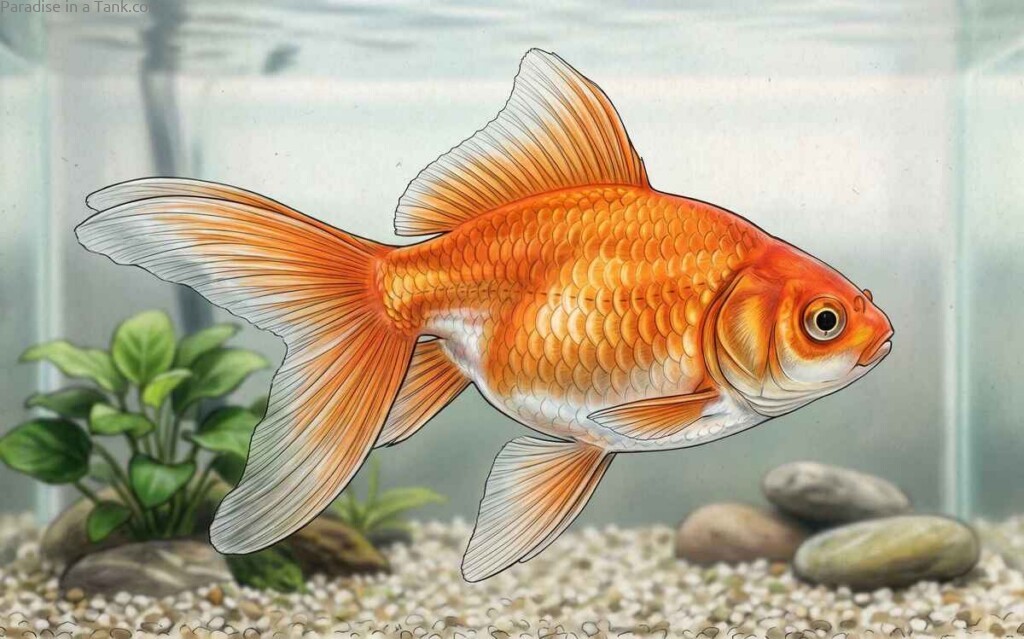
Fancy goldfish types are highly modified variations of the wild Prussian carp, characterized by their egg-shaped bodies, double tail fins, and specialized swimming styles. Selecting these delicate fantailed varieties requires assessing structural balance, fin symmetry, and swimming stability to ensure you bring home a healthy, resilient specimen for your aquarium.
Stepping into the world of double-tailed aquatic pets means leaving behind the streamlined simplicity of standard single-tailed comets and commons. These magnificent creatures are the product of centuries of dedicated husbandry, transforming a once utilitarian river fish into a living piece of moving art. When you stand in front of a holding tank at your local shop, it is easy to get mesmerized by the sheer variety of colors, head growths, and trailing finnage. However, choosing the right fish goes far beyond simply picking the brightest color pattern in the school. You must look closely at how the fish maneuvers through the water column, how its weight is distributed, and whether its structural modifications will allow it to live a long, pain-free life in your care.
As a dedicated custodian of nature, you need to understand that these physical traits come with a serious biological trade-off. The compact, compressed anatomy that gives these fish their charming appearance also crowds their internal organs and alters their natural buoyancy mechanics. When you are selecting a new addition, you must look for active, alert individuals that can maintain their equilibrium without constantly fighting to stay upright or struggling to sink. Inspect the body for clean, smooth scales, clear eyes, and vibrant skin that is completely free of red streaks or white patches. By training your eye to spot structural balance early on, you prevent the heartbreak of dealing with chronic swim bladder issues or sudden bacterial infections down the line.
The Evolution of Double-Tail Fin Architecture in Carassius auratus
To truly appreciate these animals, we have to look back at the ancestral evolutionary contract that shaped them. Every fancy goldfish living in a home aquarium today belongs to the species Carassius auratus, a resilient member of the carp family hardwired with primitive survival mechanics. Thousands of years ago, genetic mutations began appearing in wild populations, causing some fish to develop split tail fins instead of the standard single vertical caudal fin. Ancient breeders selectively paired these unique individuals, gradually fixing the double-tail trait into the genetic code of the domestic lineage. This deliberate intervention completely redirected the evolutionary trajectory of the species, prioritizing ornate, decorative aesthetics over raw hydrodynamic speed.
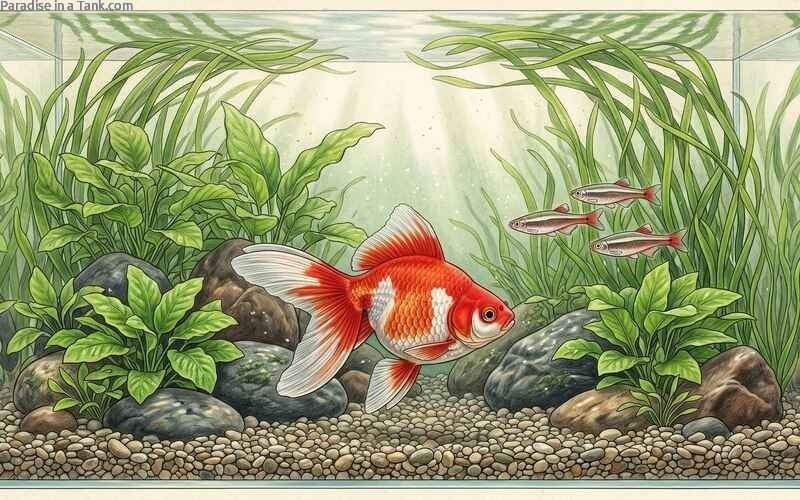
This structural transformation did not happen overnight; it involved a complex reorganization of the fish’s skeletal framework and caudal peduncle. In a wild carp, the caudal peduncle is long, thick, and muscular, acting as a powerful engine that drives the fish forward through dense river currents. In double-tailed varieties, this section of the spine is radically shortened, compacted, and sometimes downturned to support two distinct caudal fins fused at the base. This intense skeletal compression forces the internal organs closer together, shifting the animal’s center of gravity and creating the classic, iconic look we see today. Embracing this reality means understanding that your domestic pet is an exquisite, human-guided marvel that relies entirely on a controlled artificial environment to survive.
Understanding the Swimming Mechanics of Fantailed Goldfish
Because their bodies are short and their fins are doubled, the swimming style of these fish is drastically different from their wild ancestors. Instead of the smooth, undulating body waves used by single-tailed fish, double-tailed varieties rely on a distinct waddling motion to propel themselves forward. Their dual caudal fins act like a pair of rudders working in tandem, providing excellent maneuverability at slow speeds but making fast, straight-line acceleration virtually impossible. This architectural shift means they must expend significantly more physical energy just to cruise around their habitat or compete for food. If you place them in an environment with aggressive tank mates or heavy water currents, they will quickly exhaust themselves trying to swim against the flow.
This unique anatomy also places immense pressure on the fish’s internal swim bladder, the gas-filled organ responsible for maintaining perfect neutral buoyancy. In a streamlined fish, the swim bladder is long and divided into two distinct, well-spaced chambers that evenly balance the body. In a compressed, egg-shaped fancy variety, these chambers are squeezed into a tiny space right alongside the digestive tract. If the fish eats low-quality food that causes intestinal gas or constipation, the expanded gut immediately presses against the swim bladder, causing the animal to tip forward, float uncontrollably, or get stuck upside down at the surface. Understanding this delicate internal plumbing is essential for anyone who wants to prevent chronic buoyancy disorders and keep their fish swimming gracefully.
Defining the Core Varieties of the Fancy Tail Goldfish Family
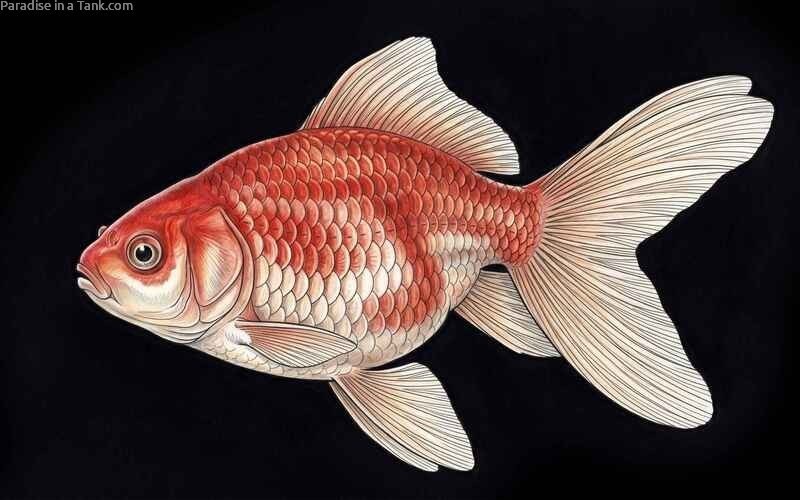
- The Classic Standard: This foundational breed features a robust, egg-shaped body paired with a beautifully split, upright caudal fin that epitomizes the traditional fancy aesthetic. If you want to succeed with these foundational double-tails, you should review our complete fantail goldfish care guide to properly master their specific tank size, specialized diet, and fin management requirements. Their structural balance makes them slightly hardier than their hyper-modified cousins, making them the perfect introduction to the double-tail family for passionate keepers. They can handle slight environmental fluctuations better, but they still require absolute dedication to pristine water quality to prevent their flowing fins from fraying or rotting.
- The Horizontal Splendor: Bred specifically for historical top-view appreciation in ornamental shallow basins, these varieties showcase broad, flat caudal fins that spread out horizontally like the wings of an insect. To fully master the unique husbandry needs of these spectacular pond varieties, you can explore our comprehensive butterfly tail goldfish care guide to manage their specialized shallow water depths and top-down viewing setups. Their dramatic, butterfly-shaped fins are best appreciated from above, where the symmetry of their caudal spread can be fully observed as they glide across the floor of the habitat. Because their fins extend so far out horizontally, they are incredibly prone to tearing on sharp decorations, meaning their physical environment must be curated with extreme care.
- The Elegant Drifter: Characterized by incredibly long, delicate, and completely undivided or long-flowing drapes of finnage, these varieties look like ethereal ribbons floating through the water column. To keep these long-finned beauties thriving without structural damage, you must dive into our expert veiltail goldfish care guide to learn the secrets of low-flow filtration, soft decor integration, and long-term fin health. The sheer weight and surface area of their finnage make them the slowest swimmers in the entire fancy family, rendering them highly vulnerable to nipping from faster tank mates. Their long fins act like massive sponges for physical damage and bacterial attacks, requiring an unwavering commitment to immaculate mechanical and biological filtration.
General Housing and Low-Flow Filtration for Double-Tailed Breeds
Providing the right home for these modified creatures requires a total rejection of old-school pet keeping myths like keeping fish in small, stagnant glass bowls. Double-tailed varieties produce a massive amount of waste, releasing raw ammonia directly into the water through their gills and dropping heavy loads of solid poop onto the substrate. To handle this immense biological load, you need a large, wide aquarium with a minimum of thirty gallons for the first fish, adding at least ten to fifteen gallons for each additional tank mate. This substantial volume of water acts as a vital safety buffer, diluting waste products and preventing rapid, catastrophic spikes in toxic nitrite or water acidity that can wipe out your entire aquatic system overnight.
Filter selection for these slow-swimming varieties is a delicate balancing act that requires maximizing biological filtration while minimizing physical water movement. Heavy-duty canister filters or large sponge filters are ideal because they provide massive surface areas for beneficial bacteria colonies to grow and process waste. However, the raw output from a powerful filter nozzle can easily create a swirling torrent that leaves your fish tumbling helplessly around the tank, tearing their fins and exhausting their muscles. You must use spray bars, intake sponges, or flow deflectors to break up the concentrated current, creating a gentle, rolling circulation that keeps the water well-oxygenated without stressing the inhabitants.
To keep your system running smoothly, you must understand the underlying biological processes that occur within your filter media. Beneficial microscopic organisms work around the clock to break down raw ammonia into toxic nitrite, and then quickly convert that into a less harmful nitrate buildup. If your filtration is too weak, or if you scrub your filter pads clean under chlorinated tap water, you will kill off these life-saving bacterial colonies and trigger a devastating toxic surge. You must test your water parameters weekly using a reliable liquid test kit, aiming for absolute zero levels of ammonia and nitrite, while performing regular water changes to keep the final nitrate buildup well below twenty parts per million.
| Parameter to Monitor | Target Safe Range | Direct Impact of Negligence |
|---|---|---|
| Raw Ammonia | Must always be absolute zero | Burns delicate gill tissue and strips protective slime coats instantly. |
| Toxic Nitrite | Must always be absolute zero | Suffocates the fish internally by preventing oxygen transport in the blood. |
| Nitrate Buildup | Keep strictly under 20 ppm | Causes long-term immune suppression and chronic fin rot outbreaks. |
| Water Acidity | Stable between 7 and 8 | Sudden drops shock the fish’s metabolic system and lead to immediate death. |
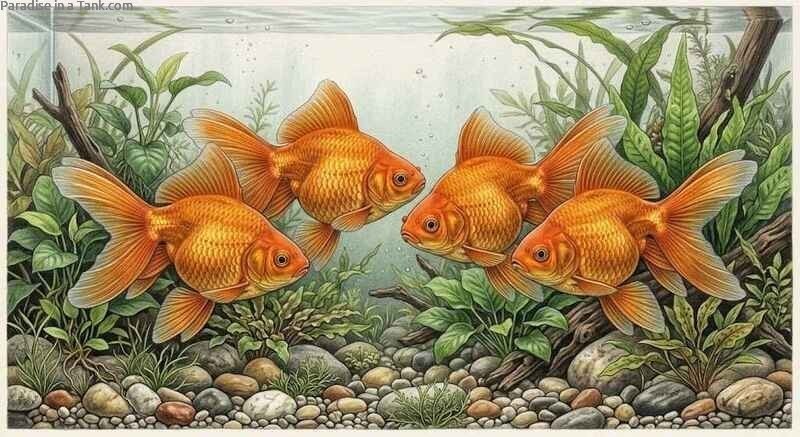
Your physical decor choices must also be entirely dictated by the anatomical vulnerabilities of your chosen fish. Sharp plastic plants, jagged dragon stone, or narrow ceramic castles have absolutely no place in a double-tail aquarium. As these slow-moving fish waddle past rough surfaces, their long, delicate fin membranes will easily snag, split, and tear open, creating perfect entry points for opportunistic fungal spores and nasty bacterial infections. Opt instead for perfectly smooth river stones, rounded driftwood pieces, and live, broad-leafed aquatic plants like Anubias or Java Fern. By respecting their ancient evolutionary programming and providing an environment tailored to their physical limitations, you will transform yourself from a casual keeper into a disciplined custodian, ensuring your fancy companions enjoy a vibrant, healthy, and long-lived existence.