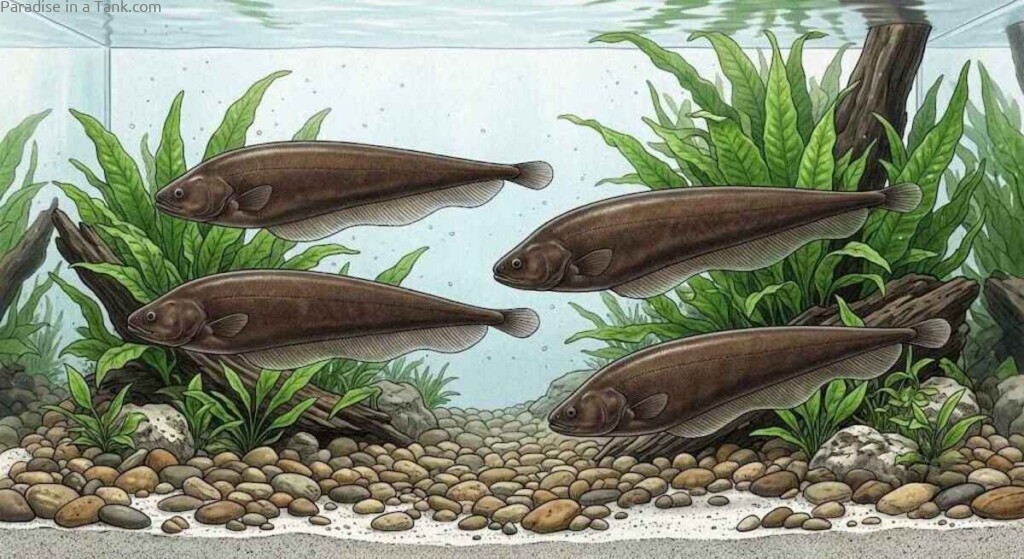
Meet the African Knife Fish (Xenomystus nigri)
African knife fish care requires a minimum tank size of 50 gallons, stable water temperatures between 75 and 82 degrees Fahrenheit, and neutral water acidity. These nocturnal predators need soft sand substrates, dim lighting, and numerous heavily planted caves to prevent severe stress and skin sloughing caused by improper husbandry.
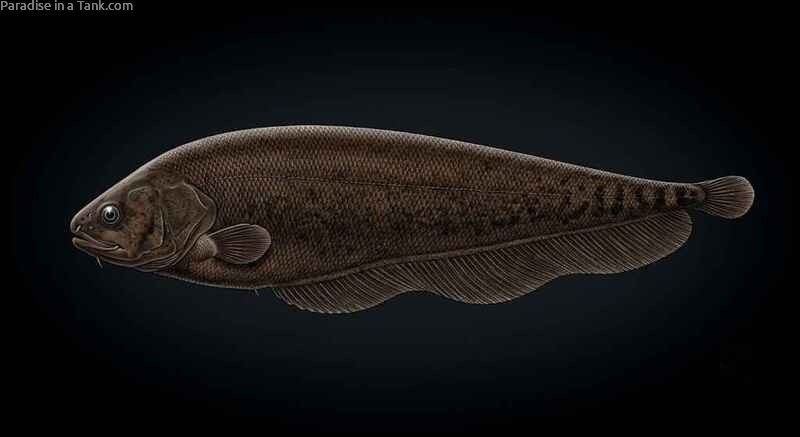
Stepping into the world of oddball freshwater fish can feel like navigating an ancient, sunken forest. Among the most captivating residents of these shadowy aquatic realms is the African brown knifefish, scientifically classified as Xenomystus nigri. Unlike modern bony fishes that rely on traditional paired fins to dart and zip through open water, this primitive survivor relies on an elongated anal fin that runs the entire length of its underbelly. This continuous fin undulates like a silk ribbon in the wind, allowing the fish to swim backward just as easily as it moves forward.
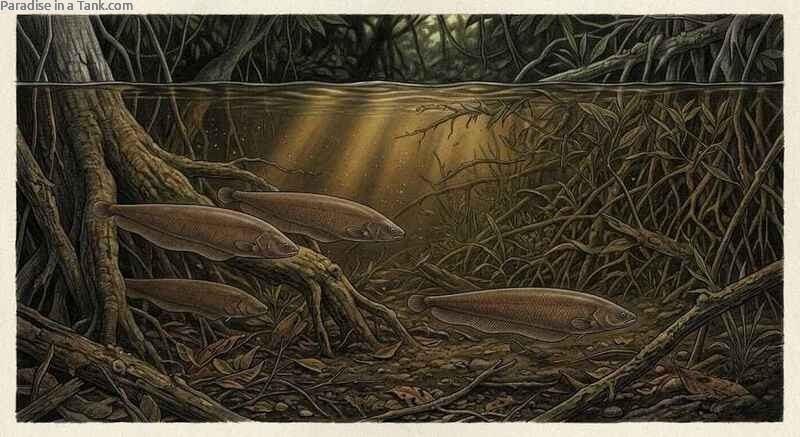
When you bring one of these creatures into your home, you are signing an ancestral evolutionary contract. In the wild river basins of West Africa, these fish inhabit slow-moving, heavily shaded streams clogged with fallen logs, decaying leaf litter, and thick root systems. They have evolved over millions of years to thrive in the dark, using a specialized weak electrical organ to construct a dynamic radar map of their surroundings. Expecting them to adapt to a bright, bare, high-flow modern aquarium is a recipe for disaster that often ends with a stressed fish refusing to eat and wasting away.
How the African Brown Knifefish Differs from Giant Species
Many fishkeepers fall head over heels for the undulating charm of these animals but fail to realize that the family tree contains vastly different scaling requirements. If you do not do your research, you might accidentally bring home a monster that will quickly outgrow your setup, turning your peaceful community tank into a literal hunting ground. It is critical to recognize how the manageable brown knifefish stands apart from its massive relatives.
The African brown knifefish is a true blessing for the average hobbyist because it maxes out at a modest eight to ten inches in captivity. This makes it an incredibly reasonable choice compared to massive tank busters that demand hundreds of gallons of water just to turn around. If you want to understand the full spectrum of these unique animals, checking out our comprehensive overview of aquarium knifefish care will help you grasp the structural differences across the entire lineage.

When you compare this species to giant oddballs, the differences in spatial needs become incredibly stark. For example, novice keepers often confuse the manageable brown variant with the legendary silver-spotted giants of Asia. If you mistakenly purchase a juvenile member of that lineage, you are looking at a fish that easily pushes past three feet in length, as detailed in our comprehensive clown knife fish husbandry guide, which outlines the harsh reality of managing true aquatic titans.
The contrast becomes even more terrifying when you look at the apex predators of the African river systems. While the brown knifefish is relatively peaceful and cautious, its larger cousin, the notorious Aba Aba, is a hyper-aggressive monster that can grow to over five feet long and generate enough electricity to stun tank mates. You can read all about housing that ultimate freshwater predator in our Aba Aba knife fish care profile, which illustrates why the gentle brown variant is a much safer alternative for home aquariums.
| Knife Fish Species | Maximum Captive Size | Minimum Tank Volume | Temperament Profile |
|---|---|---|---|
| African Brown Knife Fish | 8 to 10 Inches | 50 Gallons | Shy, peaceful, slightly territorial with conspecifics. |
| Clown Knife Fish | 36 to 40 Inches | 200+ Gallons | Highly predatory, aggressive as it matures. |
| Aba Aba Knife Fish | 60+ Inches | 500+ Gallons | Hyper-aggressive apex predator, highly territorial. |
Identifying the Rare Dark Phase: The Black Knife Fish Variant
Every so often, a hobbyist will spot an extraordinarily dark, velvety specimen in a local shop labeled as a black knife fish. It is easy to assume this is an entirely new species discovered in some isolated tropical volcanic lake, but the biological reality is much closer to home. This striking animal is almost always a rare dark color phase or a localized geographic variant of the standard Xenomystus nigri.
When inspecting these dark-phase variants, you will notice that the typical warm, woody brown coloration is completely replaced by a deep, midnight charcoal or pitch-black hue. The fish looks like a moving shadow, perfectly adapted to blend into the absolute darkest pockets of a riverbed. Aside from this intense melanistic expression, the structural anatomy, maximum size, and shy disposition remain completely identical to the standard brown variety.
Understanding the Unique Scale Chemistry of the Black Knifefish
To successfully keep this species alive, you must understand that their physical body is constructed much differently than a standard goldfish or cichlid. These animals possess exceptionally tiny, deeply embedded cycloid scales that offer almost no structural protection against rough surfaces or harsh external elements. Their skin feels like soft, delicate velvet to the touch, which makes them incredibly vulnerable to mechanical injuries and environmental toxins.
Because their scale coverage is so minimalist, their bare skin acts like a highly absorbent sponge for whatever is floating in the water column. If you let organic wastes pile up, or if you introduce harsh copper-based medications into the aquarium to treat a parasitic outbreak, these toxins will bypass the normal armor barrier that shields ordinary fish. The chemicals will soak directly into the animal’s delicate tissue, causing severe chemical burns, skin sloughing, and rapid organ failure.
Furthermore, this skin chemistry is closely tied to the fish’s specialized electroreceptors, which are embedded directly into its head and lateral lines. Think of these receptors as thousands of microscopic, open nerve endings that constantly listen to the electrical vibrations of the environment. When water quality deteriorates, or when stray voltage leaks from a cracked heater, these sensitive receptors are hit with a non-stop wave of sensory static, driving the animal into a state of chronic, exhausting stress.
Aquarium Care and Ideal Tank Setup for a Brown Knife Fish
Why a 50-Gallon Tank is the Sweet Spot for an Adult Specimen
While a juvenile three-inch specimen might look perfectly content sitting in a standard twenty-gallon breeder tank, leaving them in a cramped environment as they mature is a recipe for physical deformation and psychological breakdown. As these fish reach their full adult length of nearly ten inches, they require ample floor space to maneuver their long, rigid spines. A fifty-gallon aquarium provides the necessary footprint to let them thrive without feeling trapped against the glass.
It is a common misconception that small, slow-moving fish do not need large volumes of water. The reality comes down to body mass and waste production. These animals are carnivores, meaning their waste is exceptionally heavy and loaded with complex proteins that quickly degrade into raw ammonia and toxic nitrite. A fifty-gallon system provides a critical volume of water that dilutes these waste spikes, giving your biological filter time to process the pollution before it burns the fish’s unprotected skin.
Furthermore, keeping a large adult in a tight space will trigger severe claustrophobic stress, causing the animal to frantically pace back and forth against the aquarium glass. This repetitive rubbing quickly wears away the delicate skin on the tip of their snout, creating a raw, white wound. Once this protective barrier is broken, opportunistic waterborne fungi and bacteria will quickly move in, rotting the fish’s face away.
Creating Soft Sandy Substrates and Densely Planted Caves
When designing the interior layout of the aquarium, you must completely discard coarse gravel, crushed coral, or jagged volcanic rocks. Because these fish spend their daylight hours wedged tightly into dark crevices, their bellies and sides are constantly scraping against the floor of the tank. If that floor is covered in sharp stones, the fish will develop hundreds of microscopic skin tears that will quickly turn into red, infected ulcers.
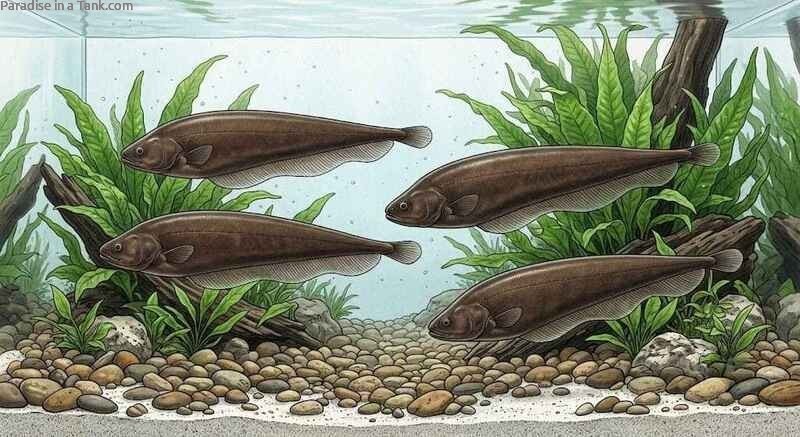
Instead, cover the bottom of the aquarium with a thick, deep layer of smooth, cosmetic play sand or fine pool filter sand. This mimics the soft silt beds of their native African floodplains, allowing the fish to rest comfortably on the substrate without any risk of abrasions. Over this sandy base, you must build a complex network of dark hiding spots using smooth river stones, water-aged driftwood, and pre-formed ceramic breeding tubes.
Plants are not just an aesthetic addition for this species; they are an absolute psychological requirement. You should densely plant the perimeter of the tank with hardy, low-light species like Java fern, Anubias, and sprawling Vallisneria. These plants create a living curtain of safety that breaks up visual lines of sight, making the shy resident feel secure enough to occasionally peek out during the daytime.
Managing Low Water Flow and Dimly Lit Conditions
In their native African habitats, these fish avoid roaring rapids and fast-moving main river channels, preferring the stagnant, quiet backwaters and choked swamps. High-output filter nozzles that create a washing-machine effect inside the tank will force your knife fish to constantly battle the current, burning up their energy reserves until they collapse from physical exhaustion. You must use adjustable spray bars or sponge pre-filters to break up the current, creating a gentle, lazy circulation throughout the water column.
Lighting must be managed with extreme care if you ever want to see your fish display its natural behaviors. Intense, high-output LED fixtures designed for advanced coral reefs or demanding high-light plants will absolutely terrify this creature. Under bright lights, they will wedge themselves so deeply into a cave that you will never see them, or worse, they will frantically attempt to jump out of the aquarium, shattering their spine against the lid.
To keep them comfortable, utilize dimmable LED fixtures set to a low, warm percentage, or use a heavy blanket of floating plants like Amazon frogbit or water lettuce to naturally filter the incoming light. These floating roots create a beautiful, dappled jungle effect underneath the surface, simulating the canopy of a tropical forest. This dim atmosphere tricks the fish into thinking dusk has arrived, encouraging them to swim out into the open water where you can actually enjoy their mesmerizing movements.
Community Tank Compatibility and Non-Aggressive Tank Mates
Many people mistakenly assume that because these fish are predatory carnivores, they must be kept in strict, single-species isolation boxes. The truth is that they are incredibly peaceful, non-aggressive community citizens, provided their tank mates are chosen with intelligence and foresight. They possess absolutely zero malice or desire to fight for territory with other types of fish, preferring to mind their own business in the shadows.
However, you must remember the golden rule of predatory fish keeping: if a tank mate can fit inside the knife fish’s mouth, it will eventually become an expensive midnight snack. Tiny, slender fish like neon tetras, guppies, and dwarf shrimp will be systematically hunted down and gobbled up while you sleep. You must avoid keeping them with massive, aggressive carnivores that treat everyone else as a punching bag, a dangerous reality that is thoroughly explored in our guide on how to identify and manage aggressive tank buster fish.
Instead, select robust, deep-bodied tank mates that are far too large to be swallowed but peaceful enough to leave your shy oddball completely alone. Excellent choices include medium-sized gouramis, peaceful African cichlids like the kribensis, large congo tetras, and placid bottom-dwellers like Corydoras catfish or bristlenose plecos. These species will occupy the upper and middle sections of the water column, leaving the bottom caves completely to your prize resident.
Feeding the Shy African Brown Knifefish at Night
Feeding this species can be an incredibly frustrating test of patience for beginners who are used to standard fish that instantly rush to the surface the moment flakes hit the water. In the initial weeks following their introduction, your new resident will likely refuse to eat anything while the room lights are on. If you simply throw food into the tank during the day, greedy tank mates will completely clean the plate, leaving your knife fish to slowly starve to death in its cave.
To outmaneuver this issue, you must sync your feeding schedule with the animal’s natural biological clock. Wait until all the lights in the room and the aquarium have been completely turned off for at least an hour. Once the room is completely dark, quietly approach the tank and drop high-protein sinking foods directly in front of the entrance to their favorite cave.
Because they have terrible eyesight but a phenomenal sense of smell and electroreceptive hunting skills, they will easily locate the food in pitch-black darkness. Do not bother offering dry flakes or hard commercial pellets, as these primitive carnivores almost completely ignore dead, non-scented processed foods. Instead, stock your freezer with high-quality frozen bloodworms, enriched brine shrimp, tubifex worms, and small pieces of chopped earthworms or raw white shrimp.
As the weeks go by and the fish begins to connect your human presence with the arrival of delicious food, their natural shyness will slowly begin to melt away. With time, consistency, and gentle care, your African brown knifefish will eventually lose its intense fear, stepping out of the shadows to gently glide forward and take food right from your hand.