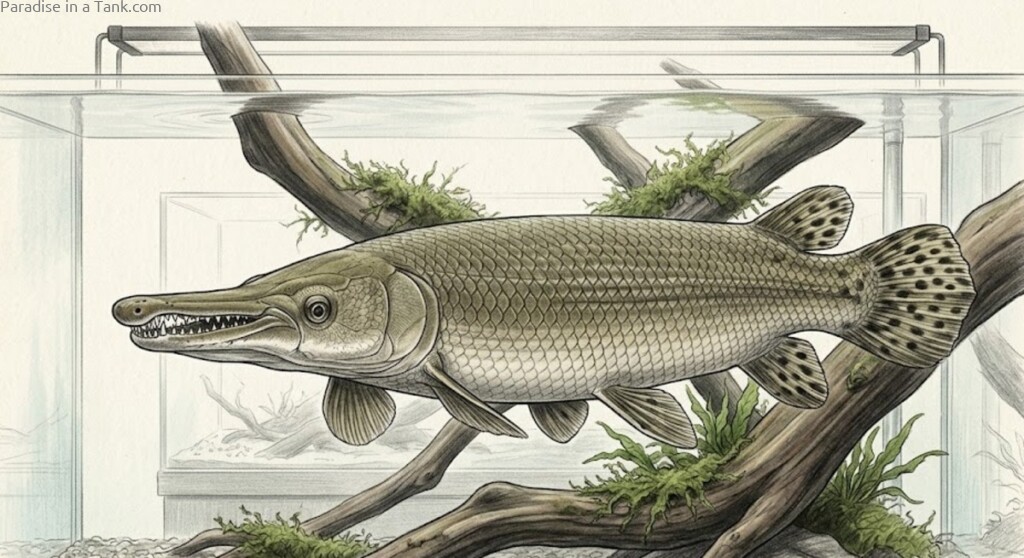
We have all been there. You walk into a local pet shop, look into the glowing display tanks, and spot a tiny, adorable juvenile fish boasting bright colors and a ton of captivating personality. It looks like the absolute perfect addition to your home community aquarium. But behind those big eyes and cute, twitchy fins, some of these little guys carry a massive, destructive secret. In the veteran fish-keeping community, we call these deceptive giants “tankbusters”.
A tankbuster is an exceptionally large, aggressive monster fish species that rapidly outgrows standard home aquariums, possesses the physical strength to shatter glass panels or smash internal hardware, and demands massive custom habitats or specialized biological filtration networks to survive long-term.
Understanding the True Reality of Monster Fish
While raising these underwater titans is one of the most incredibly rewarding experiences in the entire hobby, they are not your average domestic pets. They are heavyweight powerhouse animals that demand an absolute lifetime commitment of space, time, and serious money. It is completely okay if you didn’t realize these fish grew into prehistoric water monsters when you first saw them in the shop. Many beginners accidentally buy them because commercial pet stores routinely sell them as cute babies without posting clear size warnings.
The critical thing is that we step up now and learn exactly how to manage their explosive growth before an environmental disaster floods your home. If you try to ignore their evolutionary space needs, these giants will suffer from severely stunted growth, excruciating muscle stress, and premature organ failure. Taking on a monster fish means altering your entire approach to the hobby to accommodate a true apex predator.
The Top Tankbuster Species to Watch Out For
Before you tap your credit card for a new, exotic freshwater specimen, you need to know exactly how large that animal will get as an adult. Many popular tankbusters look completely harmless as tiny juveniles but transform into absolute leviathans in a matter of months. When you bring home a baby monster fish, you aren’t just buying a pet; you are signing an ancestral evolutionary contract with a specialized apex predator hardwired by millions of years of river ecology to claim massive, fast-flowing territories.
To help you navigate the local fish store safely, use this quick-reference guide to the most common tankbuster fish available in the modern aquarium hobby:
| Fish Breed | Juvenile Sale Size | Potential Adult Size | Minimum Tank Size Required | Experience Level Required |
|---|---|---|---|---|
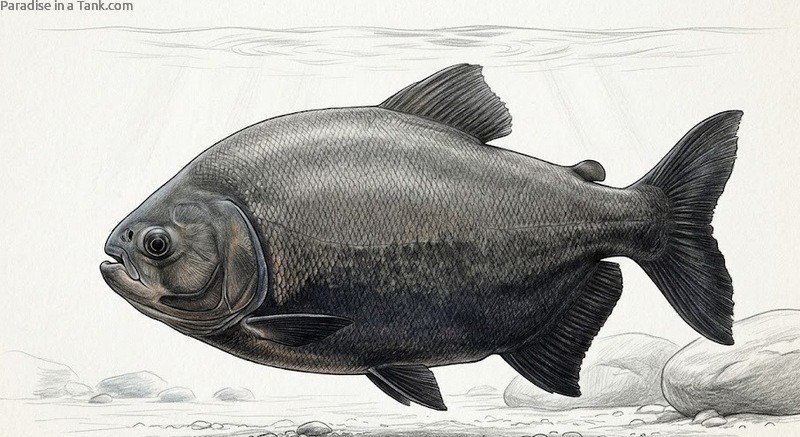
| Pacu | 2 – 3 inches | 30 – 36 inches | 500+ Gallons / Indoor Pond | Advanced Specialist |
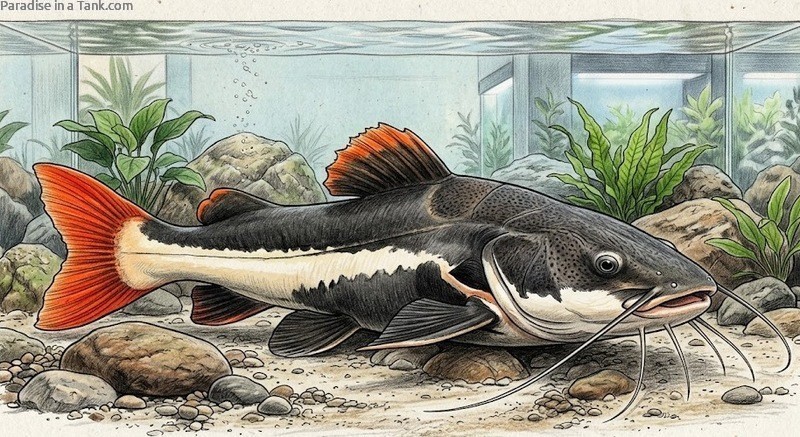
| Redtail Catfish | 3 – 4 inches | 36 – 48 inches | 1,000+ Gallons / Custom Pond | Advanced Specialist |
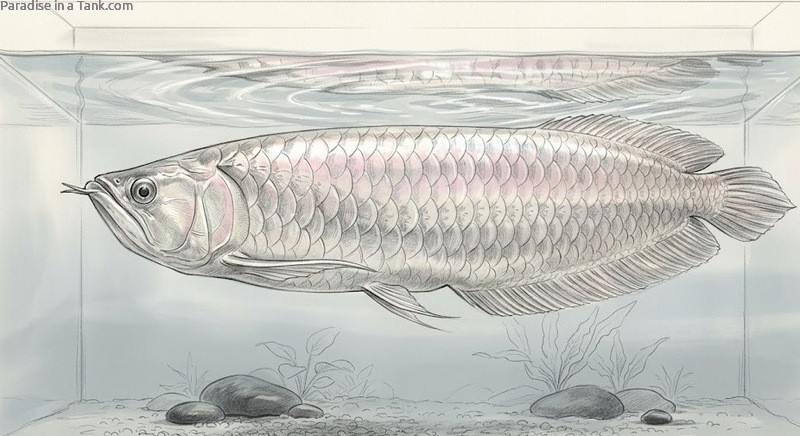
| Arowana | 4 – 6 inches | 30 – 40 inches | 250+ Gallons | Experienced Keeper |
| Oscar Cichlid | 2 – 3 inches | 12 – 14 inches | 75+ Gallons | Intermediate |
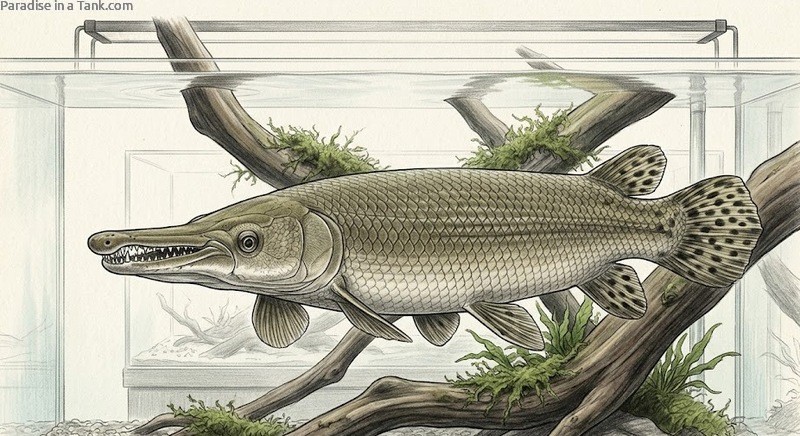
| Alligator Gar | 6 – 8 inches | 48+ inches | 1,500+ Gallons / Specialized Pond | Expert Only |
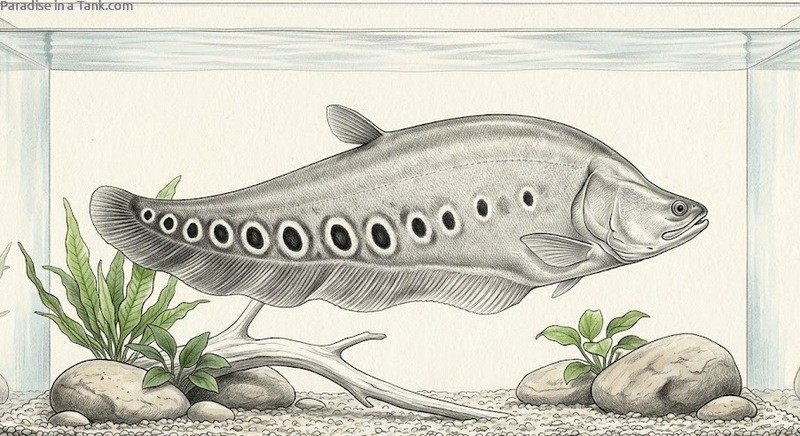
| Clown Knifefish | 3 – 4 inches | 30 – 36 inches | 300+ Gallons | Experienced Keeper |
Why Tankbusters Are Dangerous to Standard Aquariums
The name “tankbuster” isn’t just a clever, dramatic nickname—it is a hyper-literal description of what these massive fish can do to a standard glass aquarium setup. As these creatures grow into heavy adults, their muscle mass increases exponentially. A sudden room noise, a flashing light, or a frantic dash for food can instantly turn a three-foot fish into a living, thrashing torpedo. When a giant fish panics, it slams into the sides of its enclosure with terrifying, localized physical force.
Standard glass display tanks are simply not engineered to withstand that kind of intense pressure point stress. A single heavy hit from a startled adult Pacu or an oversized Catfish can shatter a glass panel instantly, sending hundreds of gallons of water rushing directly onto your living room floor. This creates a massive physical slip hazard, risks compromising the structural foundation of your home’s flooring, and carries a severe, immediate risk of lethal electrocution from nearby power strips and extension cords.
Beyond the ultimate nightmare of breaking the glass itself, these monster fish love to actively rearrange their environments to suit their territorial instincts. They will aggressively strike, bite, and smash internal hardware pieces. Submersible glass heaters, plastic filter intake pipes, and fragile aerators are prime targets for curious or frustrated giants. If a thrashing fish shatters a traditional glass heater, live electrical current will leak directly into the open water. This will easily paralyze or fatally electrocute your entire aquatic ecosystem in seconds.
Understanding how your overall setup reacts to these intense physical hazards is absolutely vital for your long-term household safety. If you want to protect your physical hardware from heavy, bone-crushing impacts, you must analyze how your system processes raw biological waste alongside mechanical stress. You can learn all about managing heavy waste loads and safeguarding your underwater ecosystem by reviewing our comprehensive guide on aquarium bioload to keep your growing giants safe.
Designing a Monster-Proof Tank Setup
If you want to keep tankbusters alive and thriving without ruining your home, you cannot use standard, run-of-the-mill retail aquarium equipment. You must step up and design a highly specialized, heavy-duty habitat engineered to keep both your home and your giant pets completely safe from physical harm. First, completely abandon traditional glass and look exclusively for high-quality acrylic tanks or custom plywood indoor ponds. Acrylic is significantly stronger than standard glass, inherently flexible enough to absorb massive structural impacts without shattering, and much better at insulating heat.
For the ultimate peace of mind, many seasoned monster fish keepers eventually transition their growing pets into massive indoor ponds constructed from heavy-duty structural plastic liners. Second, you must move all of your vulnerable lifestyle equipment out of the main display tank where the fish swim. This is where a custom aquarium sump becomes your absolute best friend.
A sump is a secondary filtration container placed neatly below your main display aquarium, safely hidden away from the giant mouths upstairs. Water drains down from the main tank, passes through the sump to get thoroughly filtered and heated, and then shoots back up via a heavy-duty return pump. By placing your heaters, digital probes, and fine chemical media downstairs in the sump, your large fish can never touch or break them. If you want to integrate one of these systems to shield your critical gear from aggressive fish, you can read our exhaustive breakdown on aquarium sumps to see exactly how they function.
Rules for Decorating a Monster Fish Habitat
- Avoid Heavy Structures: Completely avoid using massive, heavy decorative rocks or sharp, jagged driftwood logs that a panicked fish could easily lift or throw directly against the tank walls.
- Select Safe Substrate: Choose fine, soft sand or perfectly smooth river stones for the bottom substrate so your fish cannot accidentally choke on large gravel pieces during frantic feeding frenzies.
- Lock Down Lids: Securely latch, lock, and heavily weigh down your aquarium lids, as large surface-feeders like Arowanas are notorious, high-powered jumpers that can easily pop a standard plastic hood right off the tank.
- Embrace Minimalism: Keep your internal aquascape highly minimal to maximize the actual swimming volume and turning radius for your fish.
The Massive Demands of Monster Filtration
Tankbusters eat an astronomical amount of high-protein food, and what goes in must inevitably come out. These massive creatures produce an incredible, messy mountain of biological waste every single day. A standard hang-on-back power filter or a small sponge filter will completely clog up, overflow, and fail within mere hours of hitting a monster fish environment.
When a giant fish digests its heavy meals, it releases a massive, constant stream of toxic ammonia into the water through its gills and physical waste. If your filtration engine isn’t large enough to handle the load, this ammonia will quickly spike, causing severe chemical burns on your fish’s skin, eyes, and sensitive gills. To prevent this agonizing scenario, you need a biological filter engine that behaves like a massive, scaled-down municipal water treatment plant.
Your filtration system needs to hold gallons of high-surface-area biological media, such as ceramic rings, sintered glass, or porous bio-balls, to house billions of beneficial processing bacteria. Specifically, groups of beneficial bacteria like Nitrosomonas and Nitrobacter work around the clock to break down toxic ammonia into nitrites, and then convert those nitrites into less harmful nitrates. To support this biological engine effectively, it helps to understand the underlying foundational chemistry of your water.
Check out our detailed breakdown of the aquarium nitrogen cycle to see how these beneficial bacteria transform dangerous toxins into manageable parameters. To keep up with this heavy waste load and dilute accumulating nitrates, you must perform large weekly water changes of 50% or more using heavy-duty siphons. Instead of throwing your hard-earned money away on expensive, temporary water-clarifying chemicals at the local shop, a simple, natural trickle filter system packed with affordable, highly porous lava rock will keep your water crystal clear and completely safe for pennies on the dollar.
Feeding and Managing Aggression in Giant Fish
Feeding a hungry tankbuster is an absolute sight to behold. These fish don’t gently browse on tiny flakes or nibble on pellets—they aggressively snap, grab, thrash, and gobble up their meals whole. Because many species lack teeth in the front of their mouths to chew fine food particles, they are evolutionarily designed to swallow large prey chunks completely whole.
To keep these prehistoric giants healthy, you must provide a balanced, clean, high-protein diet. Feeding them cheap feeder goldfish from the pet shop is a massive, irresponsible risk, as commercial feeder tanks are often packed with dangerous parasites and infectious bacterial diseases that will easily transfer to your prize monster fish. Instead, fuel them with high-quality commercial monster pellets, raw seafood chunks from the grocery store, clean earthworms, and frozen krill. Since these fish are highly predatory, you can review our comprehensive master list of aquarium fish that eat meat to satisfy their ancestral cravings safely.
Managing their raw temperament is equally crucial to their long-term survival. Many tankbusters are intensely territorial and will aggressively hunt down and swallow any tank mates that happen to fit inside their massive mouths. If you want to keep multiple large fish together in a shared habitat, you must explicitly choose to house them with other peaceful, fast-moving giants that share the exact same physical size bracket.
If you need guidance on balancing these complex social dynamics, review our expert guide on how to choose tankmates for your fish to minimize fighting. Always monitor their body language closely; if you see signs of physical fin nipping, missing scales, or persistent bullying, you must be fully prepared to slide in a heavy-duty tank divider or move the injured fish to a separate holding system immediately.
Critical Safety Risks to Monitor Daily
- Check Water Quality Clues: Actively look for cloudiness in your fish’s eyes or frayed, rotting fins, which serve as the very first warning signs of rapidly deteriorating water parameters.
- Verify Sump Lines: Inspect your sump water lines and anti-siphon holes daily to ensure no catastrophic back-siphoning occurs onto your floor during a sudden power outage.
- Scan Structural Panels: Carefully scan your acrylic panels for deep scratches or joint bowing that could compromise the long-term structural integrity of the frame.
- Inspect Plumbing Joints: Thoroughly check all external water plumbing connections, bulkhead gaskets, and ball valves to ensure they are tightly sealed and free of minor drips.
Are You Ready for the Monster Fish Challenge?
Keeping true tankbusters is without a doubt one of the most thrilling, fascinating, and awe-inspiring areas of the modern aquarium hobby. Watching a beautiful, massive apex creature glide gracefully across a giant, crystal-clear custom habitat is an incredibly rewarding experience that few other companion animals can ever match. It takes hard daily work, meticulous structural planning, and an immense amount of patience, but the breathtaking results are absolutely worth every single bit of sweat.
Every single master fish keeper started exactly where you are today, learning the basic ropes and discovering how these amazing, powerful animals function. By building a strong, secure acrylic environment, investing in massive biological filtration, and respecting the incredible ancient size and power of these species, you can successfully create a stunning, safe slice of the wild right in your own home. Take it one single step at a time, plan your home space carefully, and enjoy the unforgettable journey of raising true giants of the deep!