Can You Keep Pet Mice in a Glass Aquarium or Terrarium?
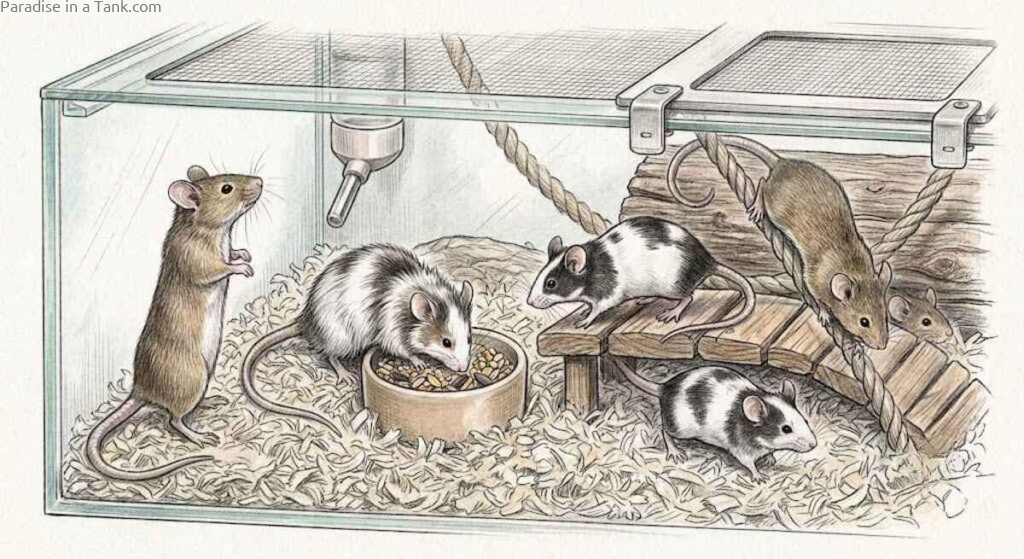
Yes, you can keep pet mice in a glass aquarium or terrarium, provided you equip the tank with a fully ventilated mesh wire lid and maintain a strict cleaning routine. Glass tanks eliminate bedding scatter, prevent escapes, and protect mice from drafts and household predators, but require vigilant ventilation to prevent toxic ammonia gas accumulation.
Keeping pet mice in a glass tank is one of the most debated topics in the small animal community. When you look at a sleek 20-gallon glass enclosure, it feels like the ultimate habitat. You get crystal-clear views of your mice tunneling through deep bedding, and you never have to sweep up kicked-out wood shavings from your living room floor. However, glass walls act as a double-edged sword. Unlike wire cages that let air flow freely from every angle, an aquarium relies entirely on top-down thermal air exchange.
To understand why glass enclosures require deliberate management, you have to look at mouse physiology and behavior. Mice have remarkably high metabolic rates and produce high amounts of urine containing urea. Inside a sealed glass box, urea rapidly breaks down into gaseous ammonia. Without proper airflow, this gas collects at the bottom of the tank, irritating their sensitive respiratory tracts and creating a breeding ground for bacterial infections. If you want a deep dive into broader husbandry requirements, check out our complete pet mouse care guide to build a solid foundational setup.
Despite these environmental hurdles, glass tanks offer unparalleled physical protection. If you live with cats, dogs, or curious toddlers, wire cages present a major vulnerability. A cat can easily slide a claw between narrow wire bars or tip over a lightweight plastic cage. A heavy glass aquarium acts as a solid fortress that keeps external predators at bay while keeping your agile little escape artists safely inside.
Pros of Glass Tanks
- Zero Bedding Scatter: Deep layers of substrate stay completely contained within the glass walls, keeping your surrounding furniture and floors spotless.
- Complete Visibility: Clear glass provides uninterrupted 360-degree viewing access so you can watch complex subterranean burrowing and social interactions.
- Predator and Draft Protection: Solid glass boundaries block cold room drafts and shield tiny animals from inquisitive household pets like cats and dogs.
- Prevented Escapes: Young or nimble mice cannot squeeze through bar gaps or chew their way out as they frequently do with wire or plastic habitats.
Cons & Risks
- Ammonia Trapping: Restricted airflow allows heavy ammonia fumes from decaying urine to pool near the substrate floor, endangering lung health.
- Heat and Humidity Buildup: Direct sunlight or warm rooms transform glass enclosures into thermal traps that can cause fatal heatstroke.
- Limited Climbing Architecture: Smooth glass walls prevent climbing, requiring keepers to hang custom climbing branches and ropes from overhead mesh screens.
- Weight and Transport Difficulty: Heavy glass tanks make routine deep cleaning and water flushes more physically demanding compared to light wire cages.
When a mouse feels trapped in an environment with poor air circulation or improper handling, stress levels skyrocket. If you notice your pet reacting aggressively under stress, understanding why pet mice bite can help you address environmental triggers before handling them.
Tank Size & Mesh Lid Requirements
Choosing the right dimensions for a glass enclosure is crucial for supporting essential biological behaviors like foraging, sprinting, and subterranean tunneling. A standard 10-gallon tank can work as a temporary quarantine unit, but long-term housing demands significantly more floor space. For a small colony of 1–3 female mice, a 10–20 Gallon Long aquarium is the absolute standard minimum requirement.
The physical dimensions of a “Long” style aquarium are far superior to “Tall” variants. A 20-gallon long tank provides a wide horizontal footprint measuring roughly 30 inches by 12 inches, allowing you to establish distinct biological zones for sleeping, feeding, and exercising. In contrast, tall tanks trap air in deep pockets at the bottom and offer very little floor space for exercise wheels, hideouts, and deep substrate layers.
| Enclosure Type | Physical Footprint | Ideal Mouse Group Size | Primary Ventilation Profile |
|---|---|---|---|
| 10-Gallon Standard | 20 x 10 x 12 Inches | 1 Single Male or Temporary Unit | Moderate airflow requiring frequent spot cleaning. |
| 20-Gallon Long | 30 x 12 x 12 Inches | 1 to 3 Female Mice | Optimal floor-to-height ratio for natural air exchange. |
| 40-Gallon Breeder | 36 x 18 x 16 Inches | 4 to 6 Female Mice | Superior air turnover with expansive burrowing depth. |
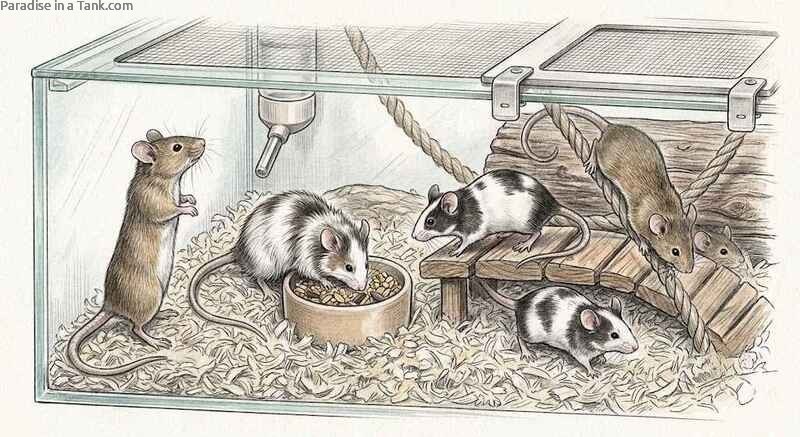
Proper ventilation in a glass enclosure lives or dies by your lid selection. You must never, under any circumstances, place a solid glass top, plastic reptile lid with minimal air slats, or wooden cover over a mouse tank. Solid lids trap moisture, heat, and toxic fumes within hours, creating a suffocating microclimate. You must install a full-mesh wire lid constructed from heavy-gauge galvanized steel screen.
The screen mesh size should ideally measure 1/4-inch to prevent tiny juvenile mice from slipping through the wire matrix. Secure the mesh lid firmly to the glass frame using metal terrarium lid clips. Mice are surprisingly strong jumpers and will stack wooden blocks, hideouts, or exercise wheels to reach the top lid and push their way out if it isn’t locked down tightly.
Odor Control & Bedding in Enclosed Tanks
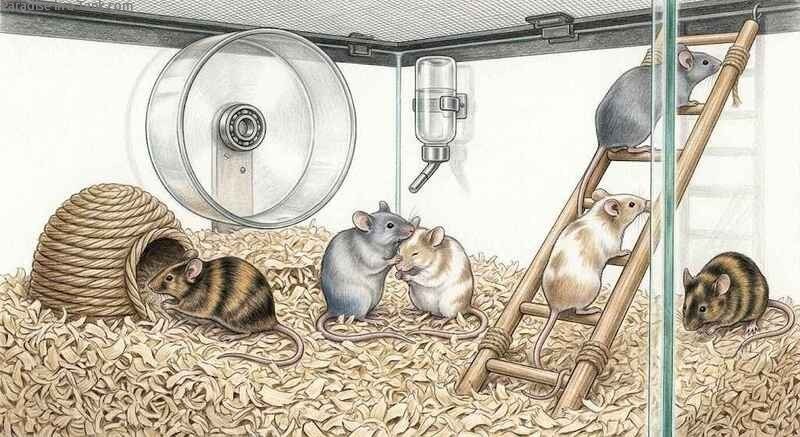
Managing smell in a glass aquarium requires a proactive approach centered on chemistry and absorbent substrate selection rather than masking scents with artificial fragrances. Because glass holds in humidity, choosing the wrong substrate will lead to rotting debris, mold growth, and pungent odors within days. You need a substrate that actively absorbs moisture while allowing your mice to dig structurally sound burrows.
Best Substrates
- Kiln-Dried Aspen Shavings: Highly absorbent, naturally dust-free wood shavings that bind liquid waste without releasing toxic aromatic phenols.
- Dust-Free Unscented Paper Bedding: High-density compressed paper fiber that provides maximum softness and burrow retention while trapping liquid.
- Hemp Bedding: Superior sustainable substrate with exceptional absorbency rates and natural antimicrobial properties that keep odors low.
Never use raw pine or cedar shavings in a glass aquarium. Unprocessed softwoods release volatile organic compounds known as aromatic phenols. In an enclosed glass tank with limited cross-ventilation, these airborne phenols strip the protective mucus lining from a mouse’s nasal passages, leading to severe respiratory distress, liver damage, and early death.
Managing substrate volume is equally vital because mice produce a constant stream of waste throughout the night. If you ever wonder about their rapid digestive turnover and marvel at why pet mice poop so much, it all boils down to their rapid metabolism requiring near-constant processing of food. Providing 4–6 inches of clean aspen or paper substrate gives them enough bulk to bury droppings beneath the surface, trapping odor until routine spot cleans.
Establishing a consistent maintenance workflow prevents odor buildup without triggering territorial stress. A common mistake among beginner keepers is scrubbing the entire glass tank with harsh detergents every few days. When you strip 100% of their scent markings at once, mice experience territorial panic and immediately flood the clean tank with fresh urine to re-establish their scent markers, making the odor far worse than before.
Instead, implement a balanced daily spot-cleaning routine. Remove damp bedding corners, spoiled food, and soiled nesting material every single day. Perform a partial bedding change every 10–14 days by replacing only 50–70% of the substrate while retaining a portion of clean, scent-marked bedding. Save full tank washes—using warm water and mild unscented dish soap or diluted white vinegar—for monthly overhauls to keep your mice calm, healthy, and smelling fresh.